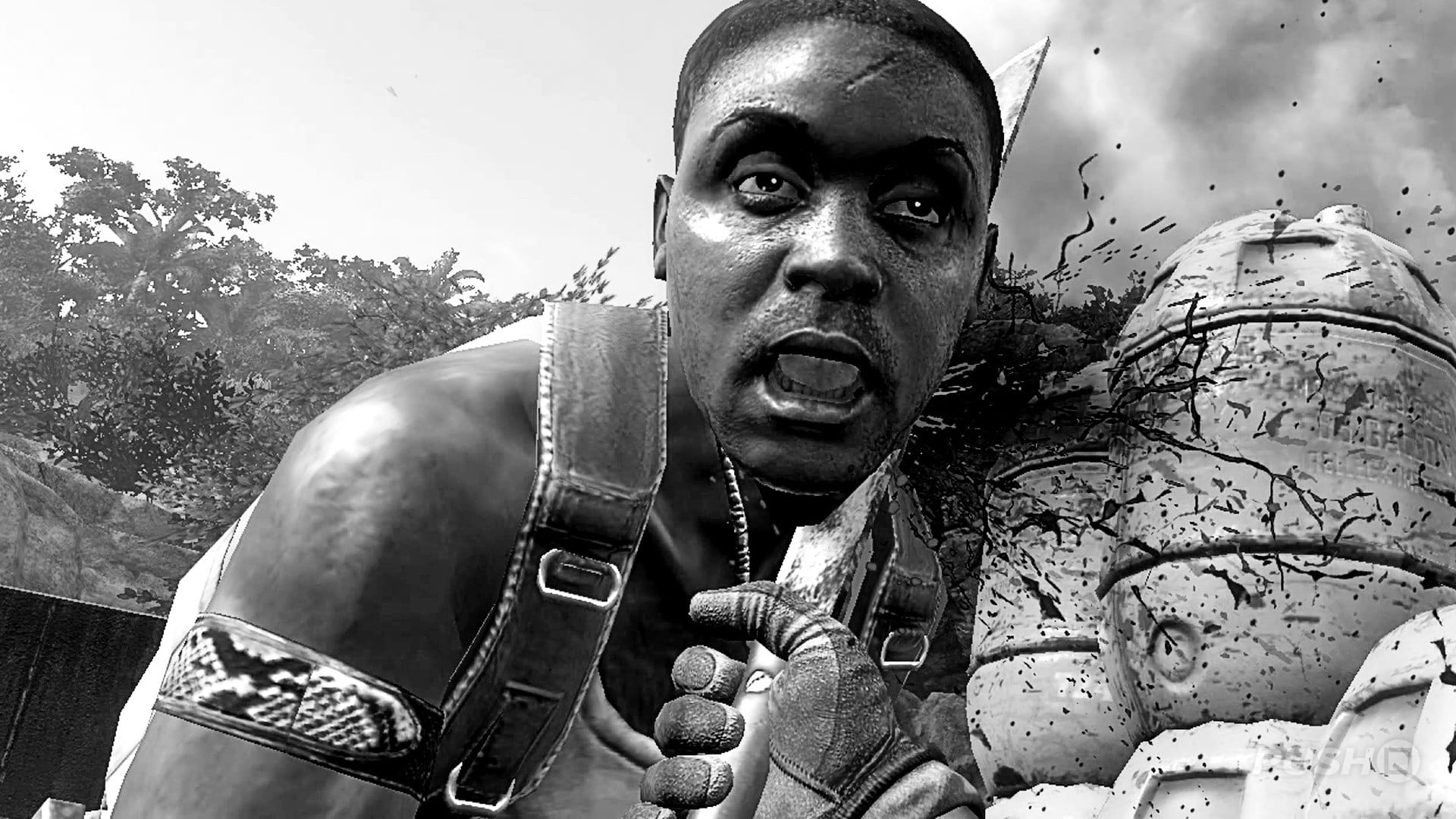
Activision's Black Ops PS5 Revival Undermined by Cheaters Locking Players Out of Multiplayer
Key takeaways
- Hackers on the PS5 Black Ops port are exploiting a negative XP glitch that locks targeted players out of competitive multiplayer entirely.
- Additional cheats include rapid lobby cycling and save file manipulation to unlock Pro Perks, undermining the game's progression system.
- Activision promoted new servers as a feature of the re-release but has not addressed the security vulnerabilities or issued a patch timeline.
When Activision announced it would be bringing the original Call of Duty: Black Ops to modern PlayStation hardware, many fans hoped the re-release would come with meaningful technical improvements — particularly to the game's notoriously compromised multiplayer infrastructure. Those hopes appear to have been dashed almost immediately after launch. Reports are emerging that the PS5 and PS4 port is suffering from widespread hacking activity that is actively preventing players from enjoying the game's online modes.
The most damaging exploit currently circulating involves the game's Domination mode, where hackers have discovered a method to assign other players negative XP values. Because the game requires players to be at or above Level 1 to access competitive multiplayer, those targeted by this hack are effectively locked out of online play entirely. It's a cruel and game-breaking attack that renders purchases worthless for affected users, and one that echoes the dark days of the original PS3 release.
Beyond the negative XP exploit, cheaters are also cycling rapidly in and out of matches to disrupt lobbies and manipulating save files to illegitimately unlock Pro Perks — progression rewards that are meant to be earned through sustained gameplay. The combination of these issues paints a bleak picture of the port's online health, especially given that Activision had explicitly promoted new server infrastructure as a selling point for the re-release.
The situation raises serious questions about the level of quality assurance applied before launch. While some leniency might be extended for preserving the original game's look and feel, shipping a multiplayer experience that carries over years-old security vulnerabilities is a significant oversight — one that feels particularly egregious given the premium price tag attached to these ports and their reportedly strong sales performance.
As of now, Activision has not issued a public statement addressing the hacking reports or outlined any roadmap for patches. The gaming community is watching closely to see whether the publisher will invest in post-launch support or quietly move on, having already captured revenue from a nostalgic audience eager to revisit a beloved title.
The bigger picture
The situation surrounding the Black Ops PS5 port is a textbook case of a publisher prioritizing speed-to-market over product integrity. Activision had a genuine opportunity here — nostalgia is a powerful commercial engine, and there was real goodwill to be earned by delivering a clean, modernized experience. Instead, the company appears to have ported the game with minimal security auditing, leaving behind the same exploits that plagued the title over a decade ago. That's not preservation, that's negligence dressed up as nostalgia.
From a competitive and reputational standpoint, this rollout does real damage to Activision's credibility in the legacy re-release space. Other publishers have demonstrated that classic titles can be brought forward responsibly — with patched exploits, updated netcode, and active moderation. If Activision continues to treat these ports as low-effort cash grabs, it risks souring the very audience that fuels their ongoing franchise loyalty. The irony is that Black Ops was a cultural touchstone — it deserved better treatment than this.
What industry observers should watch now is whether this story gains enough traction to force Activision's hand on a patch. The title is reportedly a PS Store bestseller, meaning there's a significant active player base that could amplify the backlash. If the publisher does issue fixes, it may signal a more responsible approach to future re-releases. If it goes silent, that silence will speak volumes about how Activision values its legacy catalog — and its customers.
We're covering this story because it represents something bigger than one buggy port — it's a pattern we keep seeing with legacy re-releases that get greenlit for their commercial potential without the follow-through players deserve. At LagPing, we believe the retro and remaster market is genuinely exciting, but only when publishers treat it with the same care they'd apply to a brand-new release. The Black Ops situation is a frustrating reminder of what happens when that standard slips. We also think it's worth highlighting because the players affected here aren't abstract statistics — they're people who paid real money to revisit a game they loved, only to find it broken in the same ways it was broken in 2010. That matters, and it deserves to be said plainly. We'll continue tracking whether Activision responds with meaningful patches or lets this fade quietly from the news cycle.
As an Amazon Associate, LagPing earns from qualifying purchases. Product links are affiliate links.
You might also like

Embargoes, Blackberry Pie, and Big Walk: The RPS Crew's August Gaming Plans
20h ago

Hidden Tower Defense Mode Found Buried Inside Black Ops' PS4 Port After 15 Years
Jul 28

PS Community Floods Social Media With Stunning Black Flag Resynced Photo Mode Captures
Jul 25

Black Flag Resynced Cut Hidden Blade Kills Due to Animation Costs — But Ubisoft Is Listening
Jul 17