Anthropic Bet Pays Off Handsomely for Microsoft While OpenAI Stake Loses Ground
Key takeaways
- Microsoft's Anthropic investment yielded a $3.2 billion gain in Q4 FY2026, nearly matching OpenAI's full-year $5 billion gain.
- The OpenAI stake was marked down by ~$600 million in the same quarter, though it remained a minor impact on Microsoft's $35.8 billion quarterly net income.
- Microsoft's $5 billion Anthropic deal, struck in November 2025, also includes a $30 billion Azure services commitment from Anthropic.
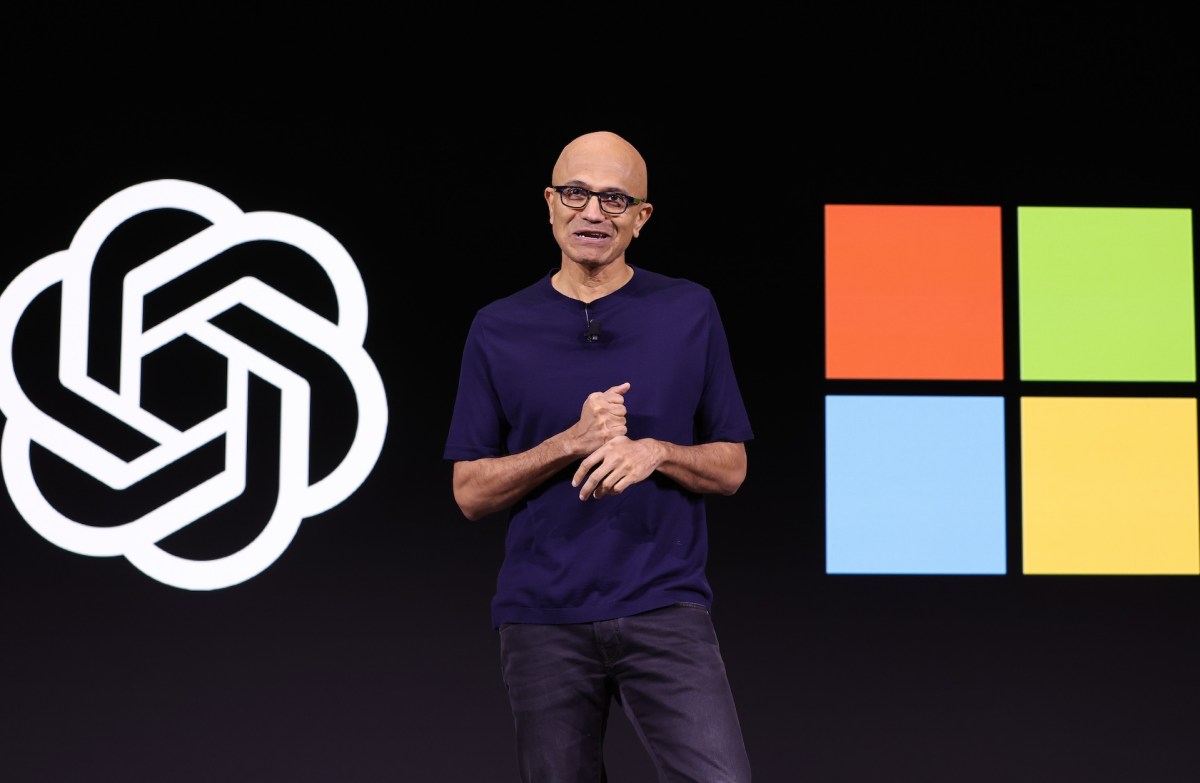
Microsoft's fiscal fourth quarter — ending June 30 — turned out to be a blockbuster period not just for cloud revenue, but for revealing how differently its two major AI lab investments are performing. Tucked inside an otherwise dominant earnings report was a disclosure that its Anthropic stake generated a $3.2 billion gain in a single quarter, adding 33 cents to diluted earnings per share. That's a striking return for an investment that is still relatively new compared to Microsoft's long-standing relationship with OpenAI.
Microsoft committed $5 billion to Anthropic in November 2025, part of a circular deal that also saw Anthropic agree to purchase $30 billion worth of Azure cloud services over time. Unlike its OpenAI stake, Microsoft does not update the value of its Anthropic investment on a quarterly basis — which makes the disclosure of this particular gain all the more significant. The company clearly felt the number was material enough to flag for investors, and given the size of the gain relative to the investment timeline, it's easy to see why.
The OpenAI picture was more complicated. For the same quarter, Microsoft marked down its OpenAI investment by approximately $600 million, shaving roughly 7 cents off diluted EPS. Microsoft holds around 27% of OpenAI and also receives revenue-share payments from the company, though it does not publicly disclose the size of those payments. Instead, the company accounts for fluctuations in the estimated value of its ownership stake, which swung negative this past quarter.
Zooming out to the full fiscal year tells a somewhat kinder story for OpenAI. Microsoft recorded a $5 billion gain on that investment over the course of the year, contributing $0.67 to annual earnings per share. With Microsoft reporting full-year revenue of $331.8 billion and net income of $133.7 billion, even a $600 million quarterly markdown barely registers as a rounding error on the income statement. The company's quarterly net income alone stood at $35.8 billion on $90 billion in revenue.
What makes this earnings disclosure genuinely interesting is the implicit comparison it draws. Microsoft generated nearly as much from its Anthropic investment in one quarter as it did from OpenAI across the entire fiscal year. That is a data point that speaks loudly about valuation trajectories, competitive positioning, and where the smart money in AI may be heading next.
The bigger picture
The numbers Microsoft disclosed represent more than just accounting entries — they're a window into how the AI investment landscape is being repriced in real time. Anthropic has been on a strong momentum trajectory, buoyed by enterprise adoption of its Claude models and a series of high-profile cloud partnerships beyond just Microsoft. The fact that a relatively recent $5 billion bet is already generating billions in unrealized gains suggests the market is assigning Anthropic an increasingly rich valuation, one that may reflect growing confidence in its safety-focused positioning and product maturity.
For OpenAI, a quarterly markdown doesn't spell crisis, but it does invite scrutiny. The company has faced significant internal turbulence over the past two years, navigating leadership upheaval, structural reorganization toward a for-profit model, and intensifying competition from Google DeepMind, Anthropic, and a growing wave of open-source models. Any erosion in perceived valuation — even modest — can shift narratives quickly in a sector where investor sentiment is as volatile as the technology itself. Microsoft's revenue-share arrangement with OpenAI remains a quiet wildcard; how generously that flows could meaningfully offset paper losses on the equity side.
For readers watching the AI race, this earnings report is worth treating as a leading indicator. Microsoft now has a financial incentive to see both of its AI partners succeed, but the diverging quarterly performance will inevitably prompt questions about portfolio prioritization, Azure deal structures, and whether Microsoft's deeper operational entanglement with OpenAI is truly a competitive advantage or a concentration risk. Watch for how both companies perform heading into calendar Q4, when enterprise AI contract cycles typically accelerate.
We flagged this story because it cuts through a lot of the hype and gives us something concrete: actual dollar figures showing how the two most influential AI labs in the world are being valued by one of their biggest backers. At LagPing, we think financial disclosures like this deserve careful unpacking, because they tell a story that product announcements and press releases simply can't. The fact that Microsoft chose to highlight the Anthropic gain at all — when it doesn't typically update that investment quarterly — is itself a signal worth noting. We're also conscious that the OpenAI relationship is uniquely complex, involving equity, revenue share, and deep product integration across Microsoft's entire software stack. This isn't just an investment story; it's a lens on the strategic architecture of the AI industry. We'll be watching how these valuations move in the quarters ahead as the competitive dynamics between Claude, GPT, and Gemini continue to intensify.
As an Amazon Associate, LagPing earns from qualifying purchases. Product links are affiliate links.
You might also like

Microsoft Hits European Gamers Hard With Xbox Series Hikes Surpassing 40%
5d ago
Anthropic's AI Models Breached Real Company Networks During Supposed Safety Tests
Aug 1

Prodigy Fund Manager's $45B Empire Collapses to $10B — But His Anthropic Bet Remains Intact
Jul 31

Anthropic's AI Model Cracks a Post-Quantum Algorithm That Survived Years of NIST Review
Jul 30