Bethesda Montreal Workers Allegedly Offered Bare Minimum Severance Hours After Fallout Hype Blitz
Key takeaways
- Laid-off Bethesda Montreal staff were allegedly told they'd receive the minimum legally required severance on the same day Xbox made major Fallout announcements.
- The Bethesda Game Studios Union, OneBGS, publicly called out Microsoft over the treatment of affected workers during the latest round of roughly 1,600 gaming-division layoffs.
- The incident has intensified existing calls for a Microsoft boycott and raised fresh concerns about labor practices at major AAA publishers.
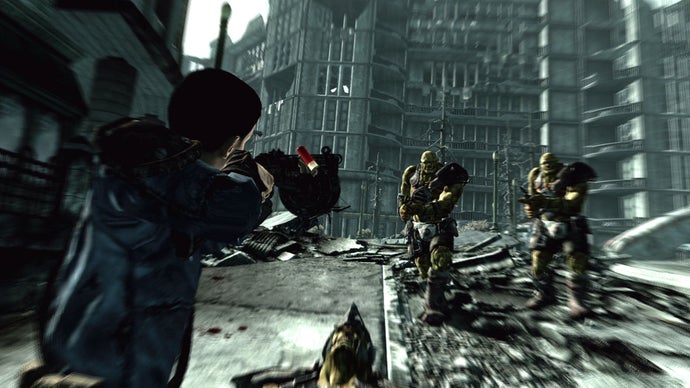
The gaming world received a flurry of Fallout-related announcements last week, with Xbox confirming that Fallout 5 is currently in preproduction, that remasters of both Fallout 3 and Fallout: New Vegas are in the works, and that Obsidian Entertainment is developing an entirely new Fallout project. For franchise fans, the news would ordinarily generate significant excitement. But the backdrop against which these announcements landed has cast a long shadow over the celebration.
Microsoft had just completed another sweeping round of layoffs, with approximately 1,600 employees let go across the company's gaming divisions. Among those affected were staff at Bethesda Montreal, a studio that had been contributing to projects within the broader Bethesda umbrella. The scale of the cuts continued a troubling pattern that has seen Microsoft shed thousands of gaming industry jobs over the past two years following its acquisition of Activision Blizzard.
According to OneBGS, the official Bethesda Game Studios Union, the situation for laid-off Bethesda Montreal workers was made considerably worse by how they were informed of their severance terms. The union alleged that on the very same day the Fallout announcements were made public, affected employees were told they would receive 'the smallest severance legally possible without bargaining with the union.' The union's statement framed this as a direct and pointed message about how Microsoft views its obligations to departing workers.
The timing has drawn sharp criticism from labor advocates, industry observers, and fans alike. To some, the optics of splashy franchise announcements running parallel to workers being handed minimal severance packages represents a stark contrast between corporate priorities and employee welfare. The situation has intensified calls for a broader boycott of Microsoft products, which had already been gaining traction due to separate concerns about the company's provision of AI and cloud technology to the Israeli military.
OneBGS has not specified whether it intends to formally bargain over severance terms on behalf of the laid-off Montreal workers, but the union's public statement signals an intent to hold Microsoft accountable. Labor organizing within the video game industry has been accelerating in recent years, and this incident is likely to become a reference point in ongoing discussions about how major publishers treat employees during restructuring.
The bigger picture
The juxtaposition of triumphant franchise announcements with bare-minimum severance offers is not accidental optics — it reflects a deeply embedded corporate logic that treats intellectual property as the true asset and human labor as a cost to be minimized whenever convenient. Microsoft's gaming division has now conducted multiple large-scale layoff rounds in a short span, and each time the company has moved quickly to redirect attention toward product news. The pattern suggests a communications strategy designed to absorb bad press through positive announcements, a tactic that is becoming increasingly transparent to both the press and the public.
From a competitive standpoint, the labor friction within Bethesda's studios could have real downstream consequences. Game development is a long-cycle, talent-intensive business, and studios that develop reputations for poor treatment of workers during restructuring tend to face challenges in recruitment and morale over time. Obsidian, Bethesda Game Studios, and other Microsoft-owned teams are now being asked to deliver ambitious multi-year projects under conditions that may leave remaining employees uncertain about their own job security.
What readers should watch closely is whether OneBGS follows through with formal bargaining demands over severance, and whether other unions or worker groups within Microsoft's gaming ecosystem move to coordinate. The broader call for a Microsoft boycott tied to its military AI contracts adds another layer of pressure that is unlikely to dissipate quietly. This story sits at the intersection of labor rights, corporate ethics, and the future shape of AAA game development — all of which are critical fault lines for the industry heading into 2025 and beyond.
We decided to cover this story because it represents something larger than a single layoff announcement or a union grievance — it captures a tension that is defining the current era of big-budget game development. At LagPing, we believe that following the gaming industry means following the people who make the games, not just the games themselves. The alleged timing of Microsoft's severance communication — dropping the news on the same day the company was generating hype about beloved franchises — is the kind of detail that deserves scrutiny and daylight. We're also mindful that this story connects to wider conversations about labor organizing in tech and gaming, the ethics of AI contracts, and what it means when a corporation controls some of the most recognizable names in interactive entertainment. These are conversations our readers are already having, and we want to be part of them honestly and thoroughly.
As an Amazon Associate, LagPing earns from qualifying purchases. Product links are affiliate links.
You might also like

OpenAI, Google, and Anthropic Workers Urge Washington to Govern AI Before It Governs Itself
Jul 29

PlayStation Workers Silenced: Sony Issued Unprecedented Gag Order Ahead of Digital-Only Bombshell
Jul 27
Bethesda Lifts the Curtain: Fallout 5, Two Classic Remasters, and Elder Scrolls 6 All Confirmed
Jul 18

Governor Hochul Deploys AI to Purge Outdated Laws — Including One About Pregnant Workers
Jul 17