Built Under Fire: How 4A Studios Is Crafting Metro 2039 From Inside a War Zone
Key takeaways
- Metro 2039 is being developed in Ukraine by 4A Studios during the ongoing Russian invasion.
- The game will focus on themes of tyranny, silence, and freedom, reflecting developers' daily wartime realities.
- Deep Silver and 4A Studios have publicly connected the team's lived experience to the game's darker creative direction.
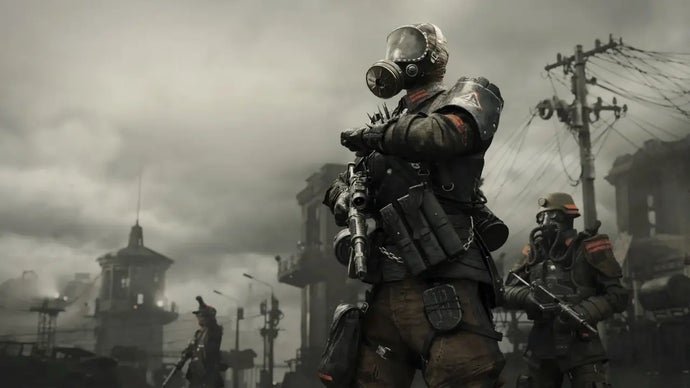
Deep Silver and 4A Studios formally outlined their vision for Metro 2039 earlier this year in a blog post that pulled no punches about the circumstances surrounding its development. The game is being built primarily in Ukraine while the Russian invasion continues, and the studio has stated clearly that the project will be darker than its predecessors, centered on themes of tyranny, the cost of silence, and what freedom actually demands from people. These are not abstract concepts for the team making the game — they are daily realities.
4A Studios employees reportedly show up to work without knowing whether electricity will be available, whether a drone strike will force them to take cover, or whether they will make it home to their families that evening. Hot meals and uninterrupted workdays are not guaranteed. The physical and psychological toll of that environment is difficult to overstate, and the studio has not shied away from acknowledging it publicly.
The Metro series has always drawn on the post-apocalyptic fiction of Dmitry Glukhovsky, whose novels imagined survivors navigating the ruins of Moscow's underground metro system after nuclear war. Metro 2033, Metro Last Light, and Metro Exodus built a reputation for atmospheric storytelling and moral complexity. Metro 2039 appears positioned to push that tradition further, with real-world suffering informing its fictional horror in ways that previous entries simply could not have.
What makes this development story unusual is the transparency 4A Studios and Deep Silver have shown about conditions on the ground. Many studios working through hardship stay quiet about it; 4A has chosen to connect the dots between lived experience and creative output, essentially telling players that what they will feel in the game is rooted in something genuine. That kind of authorial honesty is rare in the AAA space.
No release date for Metro 2039 has been confirmed at this stage. But the combination of a studio working through extraordinary adversity and a franchise known for serious, morally weighted narrative means the game has arrived in the cultural conversation well before launch — carrying a weight that few titles can claim before a single review is written.
The bigger picture
Metro 2039 already occupies a unique position in the gaming landscape before it ships. The broader industry frequently produces war games — from Call of Duty's annual releases to countless military shooters — but almost none are made by people living inside an active conflict. That distinction matters creatively and commercially. Players and critics will almost certainly engage with 2039 through a different lens than they would a studio-manufactured approximation of wartime dread, and that could translate into both critical acclaim and controversy depending on how the final product handles its material.
For Deep Silver as publisher, backing 4A through this period carries real risk alongside the obvious moral weight. Production timelines, team safety, and infrastructure challenges in Ukraine create unpredictability that most publishing agreements are not built to accommodate. Competitors like Bethesda, CD Projekt Red, and Sony's first-party studios operate in stable environments with predictable pipelines. 4A is doing something structurally different, and the industry should be watching how Deep Silver manages and communicates that partnership.
The bigger signal here is about what games can be when developers are given — or take — the space to make work that reflects genuine stakes. The post-apocalyptic genre has always been a vehicle for political and social allegory, but Metro 2039 threatens to close the gap between metaphor and lived truth almost entirely. Whether the gaming audience is ready to sit with that kind of discomfort, rather than treat it as atmosphere, is the real question heading into release.
We decided to cover Metro 2039's development story now because it represents something genuinely rare: a major franchise entry being shaped, in real time, by conditions most of us will never experience. At LagPing we care about games as cultural objects, not just products, and this story sits squarely at that intersection. The war in Ukraine has reshaped politics, energy markets, and international alliances — and now it is actively reshaping a piece of interactive fiction that millions of people will eventually play. That is worth talking about before the review embargo drops. We also think 4A Studios deserves recognition for their transparency, because studios working through hardship rarely get credit until after the fact. Keep this one on your radar.
As an Amazon Associate, LagPing earns from qualifying purchases. Product links are affiliate links.
You might also like

Boston Startup Summit Brings Investor Playbooks, AI Strategy, and Hiring Lessons to Founders
20h ago

TechCrunch Disrupt Early-Bird Pricing Expires This Week—Here's What Founders Miss
2d ago

Straley's AAA Critique Backfires: Ex-Naughty Dog Director Apologizes to Santa Monica Studio
3d ago

Founders Must Rethink Hiring as AI Agents Become Core Team Members
6d ago