CliffyB Opens Up: Sobriety, Studio Collapse, and Why He's Done With PvP Forever
Key takeaways
- Cliff Bleszinski is four months sober after a drinking-related seizure in March 2026, having described the Gears of War trilogy as largely developed while he was hungover.
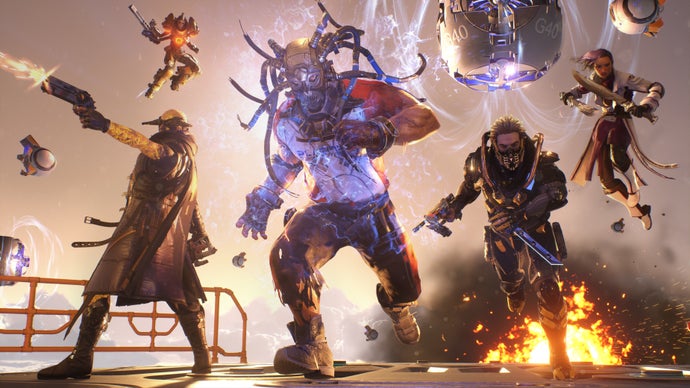
- He reflects openly on LawBreakers' failure, citing the absence of Rod Fergusson as a co-founder and comparing the game's collapse to Sony's Concord debacle.
- Bleszinski is considering returning to game development, but has ruled out PvP entirely in favour of cooperative PvE experiences inspired by Gears 2's Horde mode.
Cliff Bleszinski, the designer whose name became synonymous with Gears of War and Unreal Tournament during the peak years of Microsoft's Xbox dominance, has given one of the most personal interviews of his career — detailing his addiction to alcohol, the studio failure that devastated him, and what a potential comeback might look like. Speaking with journalist Brian Crecente for 80 Level, Bleszinski traced his drinking problem all the way back to the early 2000s, when he was working on Unreal Tournament. He is currently four months sober following a seizure in March 2026 that served as a harsh wake-up call.
The revelation that the celebrated Gears of War trilogy was largely developed while Bleszinski was hungover will come as a shock to many fans. 'I was, at that point, a functioning alcoholic,' he said plainly, before noting that things eventually deteriorated further. He described the industry's conference culture — GDC parties, E3 wine dinners, hotel lobby bars — as an environment that fed the problem, though he was careful to take personal responsibility rather than deflect blame onto the industry alone. He even recalled using his elevated alcohol tolerance to extract confidential information from loosened competitors at events, calling it 'almost like a superpower for a while.'
The failure of LawBreakers and the subsequent closure of Boss Key Productions, the studio Bleszinski co-founded with Arjan Brussee, hit him exceptionally hard. He now keeps a written list of what went wrong — a kind of post-mortem of regret — including his decision not to recruit Gears veteran Rod Fergusson as a co-founder. He described the whole experience as a 'snowball of failure' and made the darkly wry observation that LawBreakers 'tripped so Concord could faceplant,' drawing a pointed comparison to Sony's disastrously short-lived 2024 shooter. Standing before his company to deliver the news that Boss Key was finished remains, in his words, 'one of the hardest days of my life.'
After the studio shuttered, Bleszinski fell into a deep personal low, describing a period where he had nothing to motivate him to get out of bed each morning. That he has since turned a corner — with professional help and a commitment to sobriety — is genuinely encouraging news. He is now reportedly weighing a full-time return to game development, though he has firmly ruled out any return to the competitive multiplayer space that defined much of his career.
Instead, Bleszinski's interests have shifted toward cooperative player-versus-environment experiences. He pointed to Horde mode in Gears of War 2 as an example of design that remains perpetually relevant, arguing that players will always want low-friction cooperative shooting with friends. Whether a formal project materialises remains to be seen, but for someone who helped shape modern third-person shooters, even the prospect of his return is worth paying attention to.
The bigger picture
Bleszinski's story is a sobering reminder — quite literally — of how demanding and chemically social the AAA game development world can be. The conference circuit he described isn't unique to his experience; industry veterans across studios have long acknowledged that events like GDC and E3 were built around a culture of late nights, open bars, and relationship-building that blurred professional and personal boundaries in ways that could be genuinely damaging. That someone of Bleszinski's profile is now speaking about it so openly may encourage others to confront similar struggles.
The LawBreakers postmortem is also instructive from a pure business standpoint. Bleszinski's regret over not bringing Rod Fergusson aboard speaks to how much strong operational leadership matters alongside creative vision. Fergusson's subsequent work shepherding Gears 5 and then overseeing Diablo IV at Blizzard demonstrates exactly the kind of disciplined execution that Boss Key arguably lacked. The comparison to Concord is sharp and fair — both games entered a brutally saturated hero-shooter market without sufficient differentiation or timing advantage, and both paid the ultimate price for it.
Looking ahead, the pivot toward PvE design is interesting and potentially astute. The cooperative survival and horde-mode genre has seen consistent engagement through titles like Deep Rock Galactic, Helldivers 2, and Back 4 Blood. If Bleszinski does return and targets that space with the combat design instincts he honed over decades, there could be genuine creative and commercial opportunity. The real question is whether he can build or attract the right team — and the right business structure — to support that vision this time around.
We decided to cover this story because it sits at an intersection we care deeply about at LagPing: the human side of the people who build the games we love, and the industry structures that shape their work. Cliff Bleszinski is not just a historical footnote — he's someone whose fingerprints are on franchises that defined console generations, and his candour here is genuinely rare for someone of his stature. We also think the timing matters. With cooperative multiplayer enjoying a real renaissance right now and the ongoing conversation around crunch culture and developer wellbeing gaining momentum, his reflections land with unusual weight. We're not here to sensationalise his personal struggles, but to give them the thoughtful framing they deserve while also examining what his career arc tells us about the wider industry. We'll be watching closely if and when a new project materialises.
As an Amazon Associate, LagPing earns from qualifying purchases. Product links are affiliate links.
You might also like

Unreal Engine Swap, Axed Studio, and a Dead Multiplayer Game: Inside Halo Remake's Rough Road
3d ago
Studio Reset's The Eventide Lets You Pick Your Paranormal Investigators — And Their Biases Shape the Truth
Jul 30
Wuchang's Original Creative Mind Returns to Lead Sequel at Brand-New Studio
Jul 30

Valve Opens Steam Machine Modding to DIY Fans — With One Major Catch
Jul 30