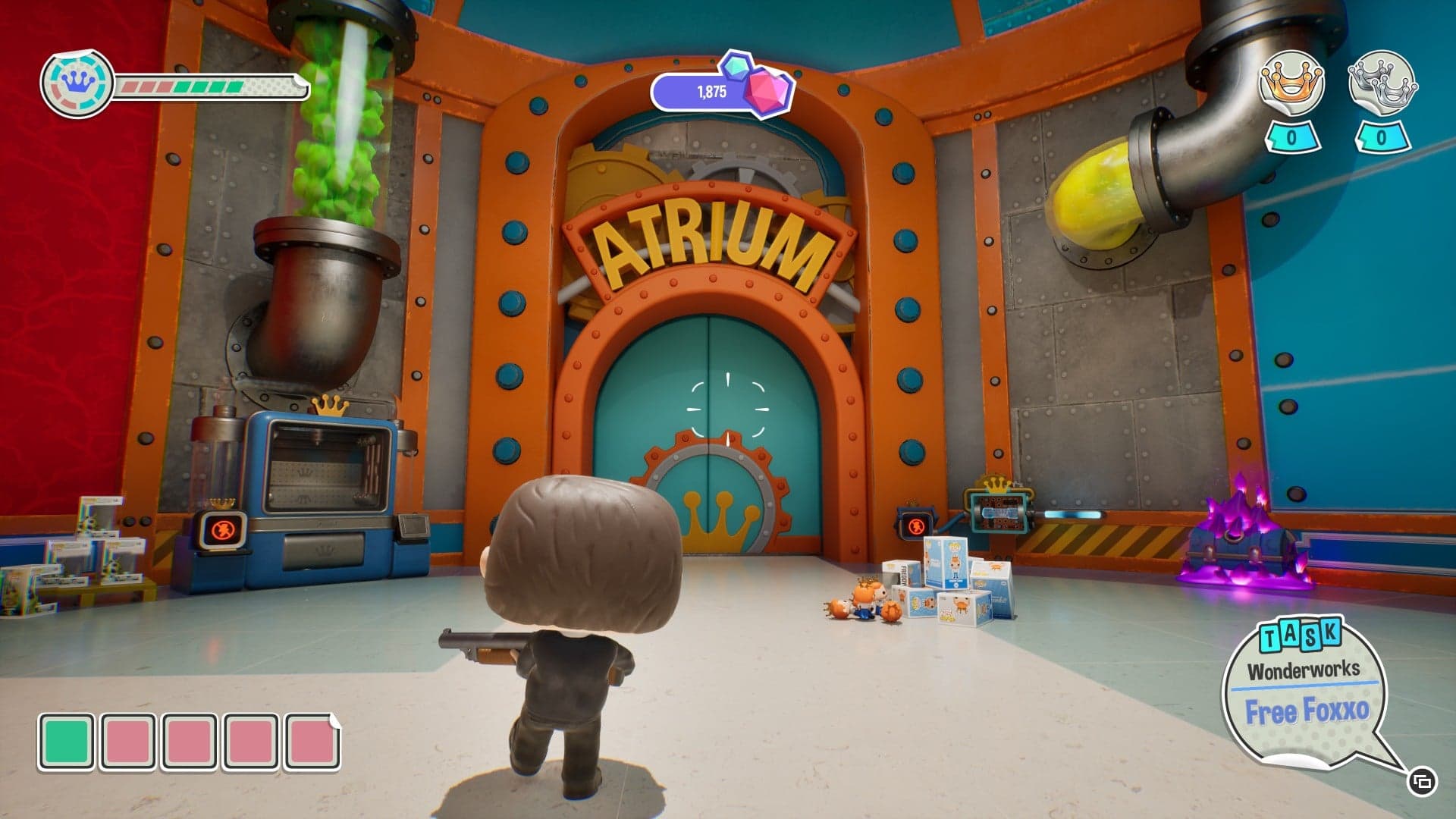
Funko Fusion and Star Trek: Legends May Quietly Vanish From Xbox Store This Summer
Key takeaways
- Funko Fusion and Star Trek: Legends are flagged as potential Xbox Store delisting candidates for July 2026, though nothing is confirmed.
- Licensing complexities are the likely driver behind both games' delisting risk, a common issue for titles built on third-party IP.
- Players interested in either game are advised to purchase sooner rather than later, as digital titles can be removed without advance warning.
Xbox players may want to act fast if they have been eyeing either Funko Fusion or Star Trek: Legends, as both titles are showing early signs of a potential delisting from the Xbox digital storefront sometime around July 2026. No official confirmation has been issued by Microsoft or the respective publishers, but observers tracking store activity have flagged both games as likely candidates based on historical delisting patterns. The situation is fluid, and there remains a real possibility that either game could vanish without a formal announcement or grace period for buyers.
Funko Fusion, the crossover action-adventure game published by 10:10 Games and featuring a wide roster of pop culture properties rendered in Funko Pop vinyl style, launched in late 2024 to a mixed reception. The game leaned heavily on licensing agreements spanning dozens of entertainment franchises, and that complexity of rights management is precisely what makes it a delisting risk — when licensing contracts expire or are not renewed, publishers are often contractually obligated to remove titles from sale. Star Trek: Legends faces a similar situation given the historically volatile nature of Star Trek game licensing.
Digital delisting has become an increasingly visible issue across all major gaming platforms, affecting consumers who may purchase a game only to find its multiplayer servers shut down or the title itself removed from their library in some cases. While purchases made before a delisting are generally preserved in a buyer's library, the window to actually acquire a game at its regular price closes permanently once it is removed from storefronts. This makes early awareness especially valuable for interested players.
The trend of games disappearing without warning has drawn growing criticism from consumer advocacy groups and gaming communities alike, who argue that better transparency from platforms and publishers is long overdue. Efforts to preserve digital games have gained momentum in recent years, with some organizations pushing for legislation that would require companies to maintain access to purchased content. Neither Microsoft nor the publishers of these two titles have responded publicly to speculation about a July removal.
For now, players who want either title should consider picking them up sooner rather than later. Whether or not July 2026 proves to be the actual deadline, the underlying conditions that lead to delisting — expiring licenses, low sales volume, and publisher decisions — appear to be in place for both games. LagPing will continue to monitor the Xbox Store for any official delisting notices as the summer approaches.
The bigger picture
The quiet, unannounced nature of digital delisting represents one of the most consumer-unfriendly practices still normalized in the gaming industry. Unlike a physical product that sits on a shelf indefinitely, a digital storefront entry can be wiped away overnight, and publishers bear little legal obligation to give buyers advance notice in most regions. The fact that outlets are tracking these situations through indirect signals rather than official communications speaks to just how opaque this process remains.
From a competitive standpoint, the delisting risk attached to license-heavy games like Funko Fusion and Star Trek: Legends reinforces a broader lesson for publishers: games built on a patchwork of third-party intellectual property carry inherent shelf-life limitations that pure-IP titles do not. Investors and developers alike should weigh these risks more seriously during greenlight decisions, because a game that cannot remain on sale indefinitely has a fundamentally different commercial lifespan than one without those contractual entanglements.
What readers should watch is whether Microsoft chooses to communicate proactively or lets these titles simply disappear. The platform holder's response — or non-response — will signal how seriously Xbox takes its responsibility to digital buyers. With game preservation becoming a louder conversation across the industry, this is a moment where a little transparency could go a long way toward building consumer trust.
We decided to cover this story because digital delisting affects real purchasing decisions, and we believe our readers deserve a heads-up even when the situation is not yet confirmed. Too often, games disappear from storefronts with little fanfare and even less warning, leaving fans who wanted to grab a title out of luck. At LagPing, we think it is part of our job to flag these situations early rather than wait for an official announcement that may never come. The broader conversation around game preservation is one we care deeply about, and stories like this one illustrate exactly why it matters. Whether or not Funko Fusion and Star Trek: Legends ultimately get delisted in July, the underlying issue of licensing-driven removals is not going away. We will keep watching and update you as soon as anything becomes official.
As an Amazon Associate, LagPing earns from qualifying purchases. Product links are affiliate links.
You might also like

Owlcat Turns Disaster Into Deal: All Rogue Trader DLC Goes Free on Switch 2 After Rough Start
Eurogamer

Apex Legends Goes Full Night City With Cyberpunk 2077 Crossover Starting July 14
Rock Paper Shotgun

Anthropic Brings Its AI Collaboration Tool to Phones and Browsers, Starting With Max Tier
The Verge AI

Nearly 5,000 Jobs Gone as Microsoft Restructures Around AI at Fiscal Year Start
The Verge AI