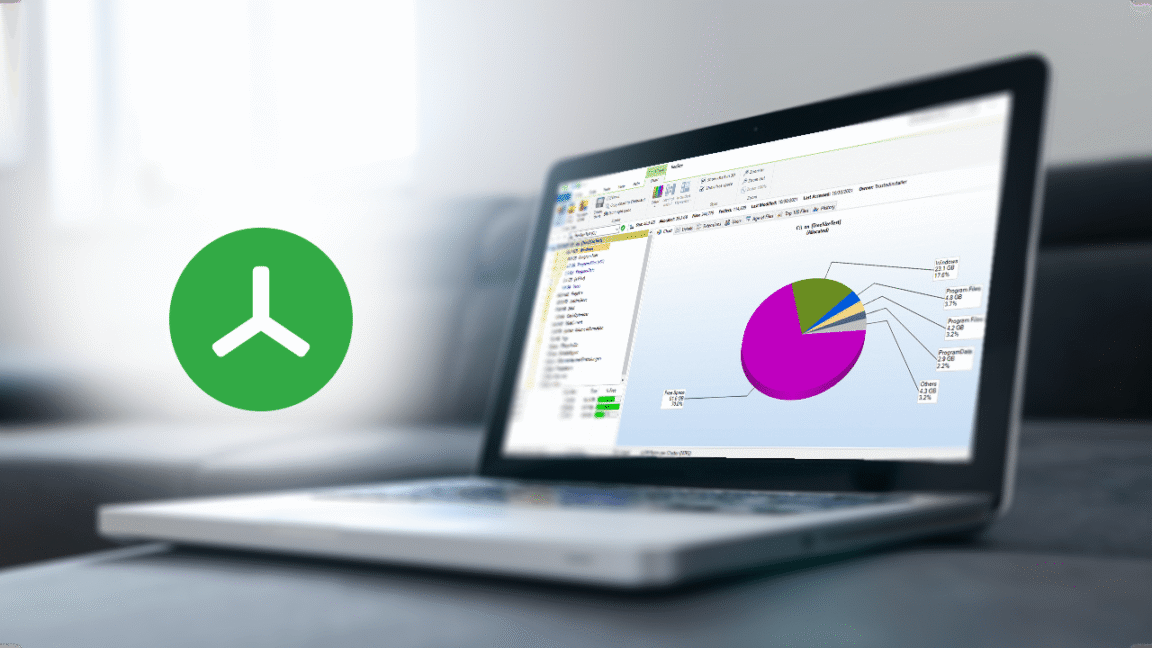
JAM Software Forces TreeSize Perpetual Owners Into Subscriptions to Keep Getting Support
Key takeaways
- JAM Software now requires TreeSize users to subscribe if they want continued support and updates after their perpetual license maintenance period expires.
- The company will not supply backup installers or license keys to customers with lapsed support, citing security risks and operational overhead.
- Free alternatives like WinDirStat exist, though they lack TreeSize's advanced features such as duplicate file detection and historical disk usage tracking.
Users of the long-running disk space analysis tool TreeSize are pushing back against a significant policy shift from developer JAM Software, which has quietly stopped offering support renewals and updates to perpetual license holders unless they convert to a subscription. The change has sparked considerable backlash on platforms like Reddit, where one user shared an email from JAM Software informing them that their perpetual license support ends in September, after which updates and support would only be available through a paid subscription tier. For customers who believed a one-time purchase guaranteed long-term software access, the shift feels like a betrayal of the original agreement.
JAM Software began transitioning most TreeSize editions to subscription-based models starting in 2025, though it continues to sell perpetual licenses exclusively for personal use — which include 12 months of updates, support, and access to older versions. Product manager Hendrik Christ confirmed to Ars Technica that the company currently has no plans to eliminate perpetual licenses for the personal edition, but also made clear that extending support after the maintenance window now largely requires subscribing. This leaves business customers who purchased perpetual licenses in a particularly uncomfortable position, as those editions have already moved entirely to subscription sales.
Compounding the frustration is JAM Software's policy of not providing backup installation files or license keys to customers whose support periods have lapsed. Christ argued that making old software versions available indefinitely poses security and bug-related risks, particularly in business environments, and also creates organizational overhead for the company. TreeSize does send proactive email notices urging customers to save their own installer files and license keys before the maintenance period ends, but critics argue this places an unreasonable burden on users who simply want to use software they already paid for.
Christ cited "current economic conditions" as a driving factor behind the subscription push, explaining that the model provides the predictability needed to continue developing and supporting the product at a high standard over the long term. He acknowledged the changes have been "frustrating for some customers" but maintained that refunds are not warranted because customers retain indefinite use of whichever version they purchased. The broader software industry has been trending in this direction for years, with vendors across multiple categories increasingly prioritizing recurring revenue over one-time sales.
For everyday users weighing their options, free alternatives like WinDirStat offer basic functionality without any subscription requirements, though they lack TreeSize's more advanced features such as duplicate file detection, deduplication, and historical disk usage comparisons. A free version of TreeSize itself exists but is restricted to non-commercial use and omits several of the tool's more powerful capabilities. The situation underscores the widening gap between consumer expectations around perpetual software ownership and the commercial realities that are pushing vendors toward subscription-first models.
The bigger picture
The TreeSize situation is a microcosm of a much larger tension playing out across the software industry. Perpetual licensing, once the standard model, carried an implicit promise: pay once, own it. What JAM Software's policy change illustrates is that this promise has always had fine print — support and updates were time-limited, and once that window closes, the vendor has little contractual obligation to keep the experience functional. The anger customers feel is understandable, but it also reflects how poorly the industry has historically communicated the actual boundaries of perpetual ownership to buyers at the point of sale.
From a competitive standpoint, the move is risky for JAM Software. TreeSize operates in a space where free and open-source alternatives are readily available and, for many users, more than adequate. Pushing perpetual license holders toward a subscription for a utility tool — not a creative suite or an enterprise platform — may accelerate churn toward those free alternatives rather than converting users into recurring revenue. The emotional cost of feeling like a company has moved the goalposts can be a powerful motivator to seek alternatives, even when the alternative is technically inferior.
What this signals more broadly is that even niche utility software is no longer immune to the subscription economy's gravitational pull. Companies of all sizes are chasing predictable monthly revenue because investor expectations and operational realities demand it. Readers watching this space should pay attention to how smaller software vendors handle the transition — because those with less brand loyalty and more direct competition from free tools face the steepest uphill battle when making this kind of shift.
We decided to cover the TreeSize situation because it crystallizes something we see our readers wrestling with constantly: the slow erosion of what software ownership actually means. This isn't just a story about one disk utility tool — it's a pattern we've been watching spread from big-name creative suites down to the most modest productivity apps. The frustration in Reddit threads and the carefully worded corporate responses feel familiar because they've played out with dozens of products before TreeSize. We think it's worth naming that pattern clearly and giving it the scrutiny it deserves, rather than just filing it away as another vendor pivot. For our tech-focused readers who rely on perpetual licenses for budget predictability — especially independent professionals and small teams — stories like this have real financial stakes. And for anyone who has ever felt blindsided by a software policy change after the purchase was already made, we hope this coverage helps frame what's happening and why it keeps happening.
As an Amazon Associate, LagPing earns from qualifying purchases. Product links are affiliate links.
You might also like

California Forces AI Data Centers to Cover Their Own Grid Upgrades
2d ago
FromSoftware's Duskbloods Will Use Ranked Pools and Veteran Mentorship to Bridge the Skill Gap
Aug 24

id Software Programmer Says Xbox Layoffs Made AAA Doom Games 'Impossible' to Deliver
Aug 9

2007 FromSoftware Prototype Reveals Demon's Souls Once Let Players Switch to First-Person View
Aug 8