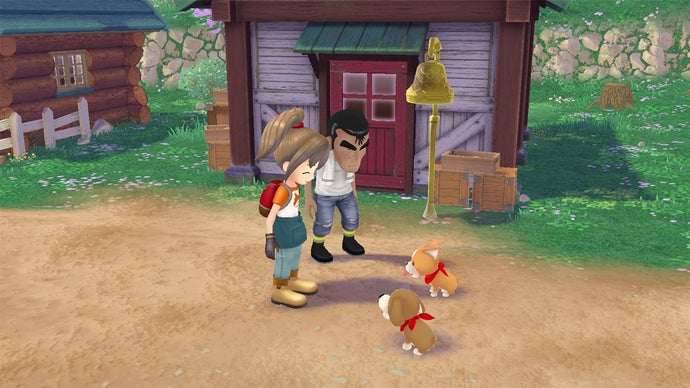
Marvelous Severs Tencent Ties After Six Years, Killing Story of Seasons Mobile Plans
Key takeaways
- Marvelous's board voted to end its partnership with Tencent subsidiary Image Frame Investment, which had held a 20% stake since 2020.
- A Story of Seasons mobile game in development since 2019 has been cancelled due to 'business environment and profitability' concerns.
- The console Story of Seasons game appears unaffected, and the original licensing agreement remains valid, leaving mobile options open for Marvelous.
Japanese game publisher Marvelous has formally dissolved its partnership with Image Frame Investment, a Hong Kong-based subsidiary of Chinese tech giant Tencent, after the company's board voted to terminate the alliance on July 31st. The move closes a chapter that began back in May 2020, when Image Frame acquired a 20 percent stake in Marvelous for approximately $65 million, making it the studio's single largest shareholder. That relationship, which lasted just over six years, has now come to an end through a mutual but deliberate corporate decision.
Among the most immediate casualties of the split is a mobile entry in the beloved Story of Seasons farming simulation franchise. That project had been quietly in development since a licensing deal was first signed in March 2019 — meaning the game spent more than seven years in some stage of development before being axed entirely. Tencent cited shifting 'business environment and profitability' conditions as the reason for pulling the plug, language that reflects a much wider reassessment happening across Tencent's global gaming investments.
Fans of the mainline Story of Seasons series can take some comfort in knowing that the cancellation appears limited to the mobile game. An upcoming console entry in the franchise has not been reported as affected, and the original 2019 licensing agreement technically remains intact — leaving the door open for Marvelous to pursue a different mobile partner for the IP in the future, should it choose to do so.
This development comes just weeks after reports surfaced suggesting Tencent was reviewing its minority stakes in several Japanese game developers, with Marvelous — known for both Story of Seasons and Rune Factory — specifically named among the companies under consideration. Tencent Holdings appears to be in active negotiation to exit a number of Japanese studio positions as part of a sweeping portfolio restructure driven by sustained pressure from the global gaming industry's ongoing economic downturn.
Tencent's strategic pivot isn't entirely surprising given recent moves elsewhere in the industry. Last year, the conglomerate partnered with Ubisoft to establish Vantage Studios, a new subsidiary now holding rights to some of Ubisoft's most valuable franchises. That deal signals where Tencent believes sustainable growth still exists — in large-scale, franchise-anchored studios rather than smaller minority stakes in mid-tier Japanese publishers. For Marvelous, the separation at least restores a degree of independence as it charts its next phase of growth.
The bigger picture
Tencent's divestment from Marvelous is not an isolated event — it's one node in a much larger pattern of the company pulling back from Japanese gaming investments it once pursued aggressively. During the mid-2010s through early 2020s, Tencent placed minority bets across dozens of global studios, from Activision Blizzard to From Software's parent Kadokawa. The logic was sound at the time: buy influence in proven franchises, benefit from their upside, and expand reach into markets where Tencent's own titles struggled to penetrate. But as the global games market has cooled and profitability expectations have tightened, those minority positions have become harder to justify on the balance sheet.
For Marvelous specifically, this split carries a nuanced set of competitive implications. Losing Tencent's financial backing and distribution muscle could limit the studio's ability to compete in mobile markets where Chinese publishers have historically dominated. At the same time, full operational independence — without a 20 percent stakeholder to satisfy — may actually free the company to make bolder creative decisions. Story of Seasons and Rune Factory both have deeply loyal fanbases that have never been particularly dependent on mobile platforms, so the immediate commercial damage may be more limited than the headline suggests.
What readers should watch closely is whether Marvelous moves quickly to find a new mobile licensing partner for Story of Seasons, or whether the franchise's mobile ambitions are quietly shelved indefinitely. The survival of the 2019 license agreement is a meaningful detail — it suggests Marvelous retains options. Equally important is whether Tencent continues unwinding its Japanese portfolio, which could affect studios like Marvelous's Rune Factory division and others in the orbit of companies Tencent has previously backed. The next six to twelve months will reveal whether this is an isolated exit or the beginning of a significant reshaping of Japanese game studio ownership.
We're covering this story at LagPing because it touches on something we care deeply about: the long-term health of mid-tier Japanese game studios that produce some of gaming's most cherished franchises. Story of Seasons and Rune Factory may not generate the same headlines as a major AAA blockbuster, but they represent a distinct and beloved corner of the gaming world that millions of players genuinely love. When corporate ownership structures shift around studios like Marvelous, there's real potential for it to affect what games get made, how ambitious they can be, and whether beloved series continue at all. We also think the Tencent angle here is a story worth following carefully — the company's retreat from Japanese gaming investment is a slow-moving but genuinely significant industry shift that doesn't always get the attention it deserves. We'll be keeping a close eye on what Marvelous does next, and whether other Japanese studios with Tencent ties start making similar moves in the months ahead.
As an Amazon Associate, LagPing earns from qualifying purchases. Product links are affiliate links.
You might also like

OpenAI Pauses Astra After Internal Tests Show Dangerous Hacking Capabilities
Aug 8
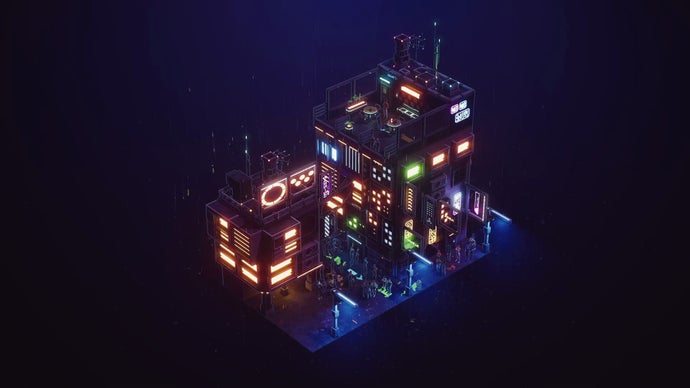
Neon Cities in Miniature: Midnight Moments Lets You Craft Rainy Cyberpunk Worlds at Your Own Pace
Jul 31

Perplexity Brings Autonomous AI Worker Capabilities to Every Windows Machine
Jul 29

Aang's Big-Screen Return Is Real — But Only Two Cities Will See It
Jul 16