Musk's Empire Loops Tighter: SpaceX Pours $329M Into Tesla Megapacks for AI Data Centers
Key takeaways
- SpaceX spent $329 million on Tesla Megapack batteries in the first half of 2025, mostly in Q2.
- The batteries are believed to support xAI data centers after SpaceX absorbed xAI earlier this year.
- SpaceX also acquired $131 million worth of Tesla Cybertrucks as of December 2025, per regulatory filings.
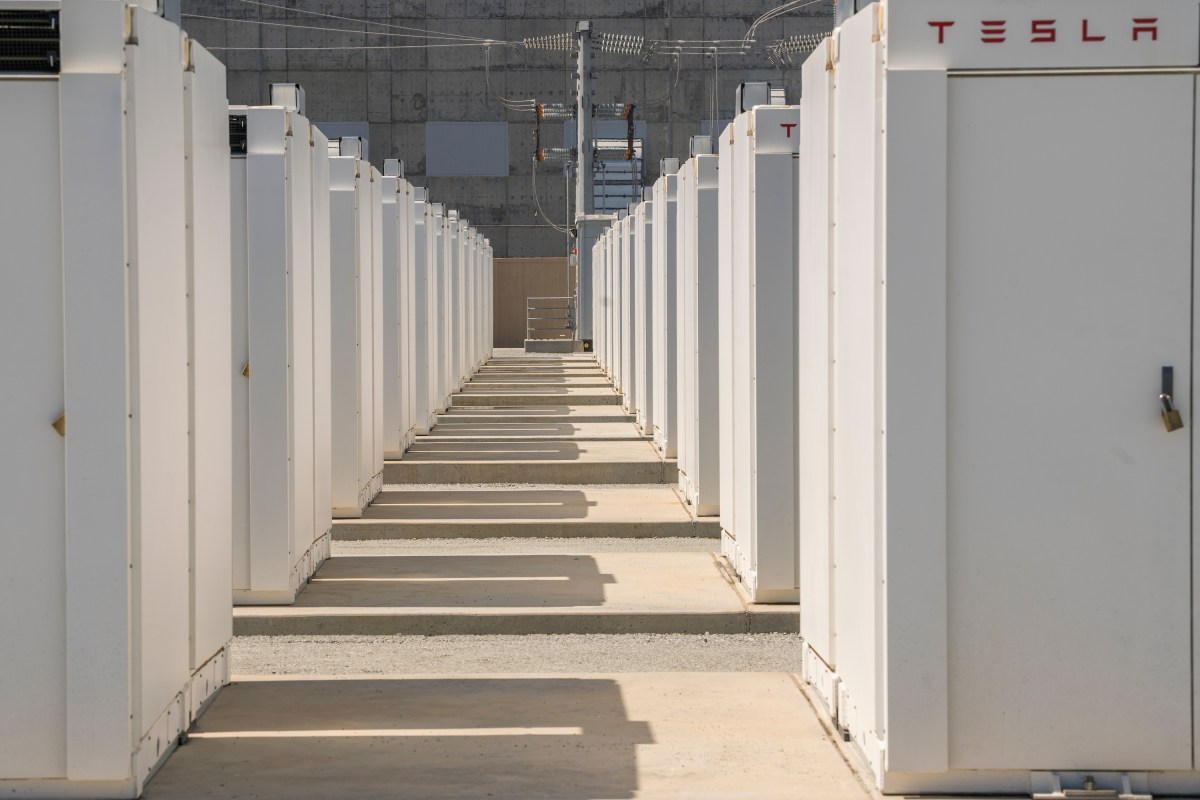
SpaceX disclosed in its latest earnings report that it has purchased $329 million worth of Tesla Megapack battery storage systems so far in 2025, including $295 million in the second quarter alone. The figure marks a sharp acceleration from Q1, when the company spent just $34 million on the same equipment — a sign that infrastructure buildout is moving fast. The industrial-scale batteries are most likely destined for xAI data centers now operating under the SpaceX umbrella after the two companies merged earlier this year.
The cross-company purchasing patterns reveal just how tightly Elon Musk's various ventures are now financially linked. Musk serves as CEO and largest shareholder of SpaceX and also leads Tesla. His AI company xAI acquired social media platform X in 2025, and SpaceX subsequently absorbed xAI, creating a chain of intercompany transactions that flow through Musk's broader business network. Before the SpaceX-xAI merger closed, xAI had already spent $430 million on Megapacks for its own data center projects.
Beyond Megapacks, SpaceX's regulatory filings also revealed that as of December 2025, the company had acquired $131 million worth of Tesla Cybertrucks at manufacturer's suggested retail price — another instance of goods moving between Musk-controlled entities. While these purchases may raise questions about related-party transactions, they also reflect the scale at which SpaceX is building out physical infrastructure to support AI workloads.
Megapacks play a specific and practical role in data center operations. Unlike traditional power backup systems that take seconds to spin up, battery arrays can supply power almost instantaneously. For AI data centers, which experience volatile power demands during model training and inference workloads, this instant response is critical. Large GPU clusters don't draw consistent electricity — they spike heavily depending on computational tasks, and those peaks can trigger expensive utility surcharges or overwhelm on-site generators.
xAI's data center strategy has not been without controversy. The company drew criticism for operating dozens of unpermitted natural gas turbines near its Colossus facility in Mississippi. Megapacks don't eliminate that reliance on fossil fuels, but they can reduce the frequency and severity of those peak demand events, smoothing out costs and helping maintain consistent uptime even when the grid or on-site generation falls short.
The bigger picture
The $329 million Megapack figure isn't just a supply chain detail — it's a window into how Elon Musk is structuring his companies as a vertically integrated ecosystem. Tesla manufactures the batteries, SpaceX buys them at scale, and xAI's data centers consume the power they store. Every dollar spent on Megapacks reinforces Tesla's revenue base while advancing SpaceX's AI infrastructure ambitions. Rival AI operators like Google DeepMind, Microsoft Azure, and Amazon Web Services all source energy infrastructure from third-party vendors — none of them have an in-house battery manufacturer feeding their data centers the way Musk does.
This vertical loop creates genuine competitive advantages but also governance questions. Intercompany transactions between entities where a single person controls all sides can obscure whether pricing reflects fair market rates. Regulators and investors watching Tesla's commercial pipeline should note that a meaningful portion of Megapack revenue now flows from companies Musk directly controls — which complicates independent assessments of Tesla's true demand signals in the broader energy storage market.
For the AI infrastructure sector, the xAI-SpaceX spending pattern also signals that purpose-built data centers are consuming enormous physical resources at an accelerating rate. Battery storage is becoming as essential as cooling systems or fiber connectivity. Vendors supplying grid-scale batteries — including Tesla's competitors in that space like Fluence and BYD — will be watching whether other hyperscalers follow xAI's lead in committing this level of capital to on-site storage. The next twelve months of Megapack order data will say a lot about where AI infrastructure capex is heading.
We flagged this story because it sits at an intersection that doesn't get enough scrutiny: the physical infrastructure behind AI and the unusual corporate structure underwriting it. It's easy to talk about AI in terms of software and models, but massive battery arrays, natural gas turbines, and fleets of electric trucks are the unsexy reality behind those systems. The SpaceX-Tesla-xAI transaction loop is genuinely novel — we're not aware of another situation in the tech industry where one person's ownership ties generate this kind of circular revenue across hardware, energy, and AI at this scale. That's worth tracking closely, not just for business reasons but because it affects how we understand Tesla's commercial health, SpaceX's cost structure, and xAI's competitive standing. We'll keep watching the intercompany disclosures as SpaceX's filings evolve.
As an Amazon Associate, LagPing earns from qualifying purchases. Product links are affiliate links.
You might also like

Prodigy Fund Manager's $45B Empire Collapses to $10B — But His Anthropic Bet Remains Intact
Jul 31

Startups Are Wiring Human Brains Into Robot Training Loops — Here's Why It Could Matter
Jul 27

Evil Empire and Konami Team Up to Resurrect Classic Castlevania Side-Scrolling Action
Jul 17

Roku Launches Around-the-Clock AI Content Channel Amid Growing FAST Debate
16h ago