Video Game History Foundation Unearths Decades of E3 Secrets in Landmark Archive
Key takeaways
- The Video Game History Foundation has launched a major new archival collection dedicated entirely to E3 and its multi-decade history.
- The collection includes materials spanning many years that have not previously been available to the public, promising new insights into the expo.
- E3 officially ended in 2023 after failing to recover from pandemic disruptions, with Summer Game Fest now filling its role in the gaming calendar.
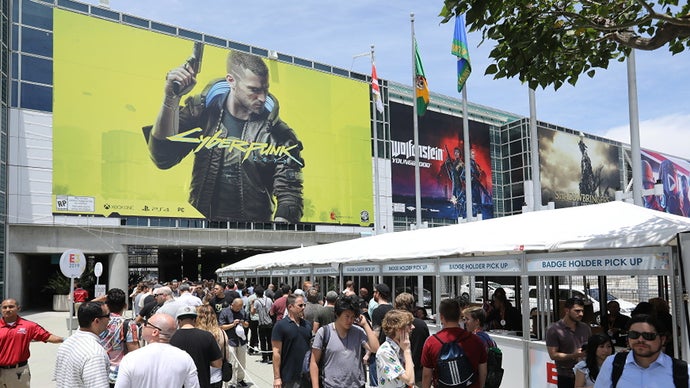
For decades, the Electronic Entertainment Expo — universally known as E3 — stood as the undisputed crown jewel of the gaming calendar. Publishers and developers would save their biggest announcements, most jaw-dropping trailers, and boldest promises for those June days in Los Angeles, knowing the entire industry would be watching. The show ran from 1995 all the way through to its effective collapse in the early 2020s, leaving behind a legacy that is equal parts nostalgia and cautionary tale about how institutions fail to adapt.
Now, the Video Game History Foundation (VGHF) is ensuring that legacy doesn't fade quietly into obscurity. The organization has revealed a brand new archival collection focused entirely on E3, described by the Foundation itself as a look at the expo 'like you've never seen it before.' The collection reportedly spans a significant range of years and encompasses a wide variety of materials, giving researchers, journalists, and curious fans access to documents, imagery, and records that have never been publicly available before.
The Video Game History Foundation has built a strong reputation over recent years for its work in preserving gaming culture and history. The nonprofit has previously drawn headlines for its research into game preservation rates, finding that a troubling percentage of classic titles are at risk of being permanently lost. This latest effort shifts focus from playable software to the cultural and commercial machinery that once drove the industry forward each summer.
E3 itself met its end less as a dramatic finale and more as a slow, painful wind-down. The COVID-19 pandemic forced cancellations in 2020, and subsequent attempts to revive the show — including a hybrid digital format — never recaptured the original energy. By 2023, the event was officially declared dead, with the ESA pulling the plug entirely. Meanwhile, alternatives like Summer Game Fest, led by producer Geoff Keighley, have stepped in to fill the promotional vacuum.
The timing of the VGHF collection feels meaningful. With E3 now firmly in the past tense, there is genuine appetite among the gaming community to look back at what the show actually meant — not through rose-tinted highlight reels, but through the full, messy, complicated archival record. The Foundation appears well-positioned to deliver exactly that kind of honest, comprehensive retrospective.
The bigger picture
The VGHF's decision to archive E3 so thoroughly says something important about where the gaming industry is in its relationship with its own history. For a long time, the industry treated its past as largely disposable — old games went unpreserved, old marketing materials got thrown away, and institutional memory was considered someone else's problem. Organizations like the VGHF are pushing back hard against that tendency, and the fact that they can describe this E3 collection as something people have 'never seen before' tells you just how much material has been sitting in boxes, unseen and underappreciated.
There's also a competitive angle worth considering here. Events like Summer Game Fest have successfully stepped into E3's old role, but they operate very differently — more streamed, more decentralized, more dependent on individual publisher buy-in. By documenting E3's rise and fall in rigorous detail, the VGHF is effectively creating a roadmap of what worked, what didn't, and where the cracks appeared. Whether today's event organizers will actually learn from that history is another question entirely.
For readers and fans, this collection represents something rarer than it might initially seem: a chance to engage with gaming history that hasn't been filtered through nostalgia marketing or corporate PR. Archives like this tend to reveal the messiness behind polished moments — the deals that fell through, the announcements that bombed, the behind-the-scenes chaos. That kind of honesty is exactly what gaming history has been missing, and the VGHF deserves real credit for pursuing it.
We wanted to cover this story because it sits at the intersection of two things we genuinely care about at LagPing: celebrating gaming culture and taking preservation seriously. E3 shaped how an entire generation of players experienced the gaming year, and watching it collapse was genuinely sad — not just for industry insiders, but for fans who built traditions around those summer press conferences. The VGHF doing this kind of deep archival work matters beyond just nostalgia, because understanding why E3 failed might help us think more clearly about the live events and showcases we still have today. We also think the Foundation deserves more mainstream attention than it typically gets — their research into game preservation has had real policy implications, and this latest project continues that tradition of making gaming history feel urgent and relevant. Keep an eye on what they uncover.
As an Amazon Associate, LagPing earns from qualifying purchases. Product links are affiliate links.
You might also like

District 9 Director Goes All-In on AI Video Generation With Controversial 13-Minute Short
Jul 22

Google Vids Evolves Into Full AI Video Studio With Personal Avatars and Gemini Omni Editing
Jul 17

How Apple's Abandoned Car Project Secretly Became the Foundation of Its AI Dominance
Jul 13

X Admits Viral Video Theft Is Rampant, Rolls Out Native Editing Tools to Fight Back
Jul 8