3,200 Jobs Gone: Obsidian, Bethesda, and Activision Studios Gutted in Microsoft's Massive Cuts
Key takeaways
- Microsoft is cutting 3,200 jobs across its gaming division, with 1,600 positions eliminated immediately.
- Confirmed affected studios include Obsidian, Bethesda/ZeniMax, Activision, Blizzard, King, Mojang, and Xbox Game Studios.
- Xbox president Asha Sharma publicly acknowledged the widespread reductions, naming all major divisions in her statement.
Microsoft has sent shockwaves through the gaming industry by announcing the elimination of 3,200 jobs across its Xbox and gaming divisions, representing one of the largest single workforce reductions in the company's recent history. Half of those cuts — 1,600 positions — went into effect immediately, leaving thousands of developers, producers, and support staff facing sudden unemployment. The scale of the announcement has stunned an industry still reeling from years of post-pandemic consolidation and studio closures.
Xbox president Asha Sharma publicly acknowledged the breadth of the layoffs earlier in the day, confirming that reductions were happening far beyond just the four studios already reported to be departing the Xbox brand. In her statement, Sharma explicitly named Activision, Bethesda and its parent ZeniMax, Blizzard, King, Mojang, and Xbox Game Studios as units all facing workforce reductions. Her comments, while carefully worded, amounted to a sweeping admission that no corner of Microsoft's gaming empire was left untouched.
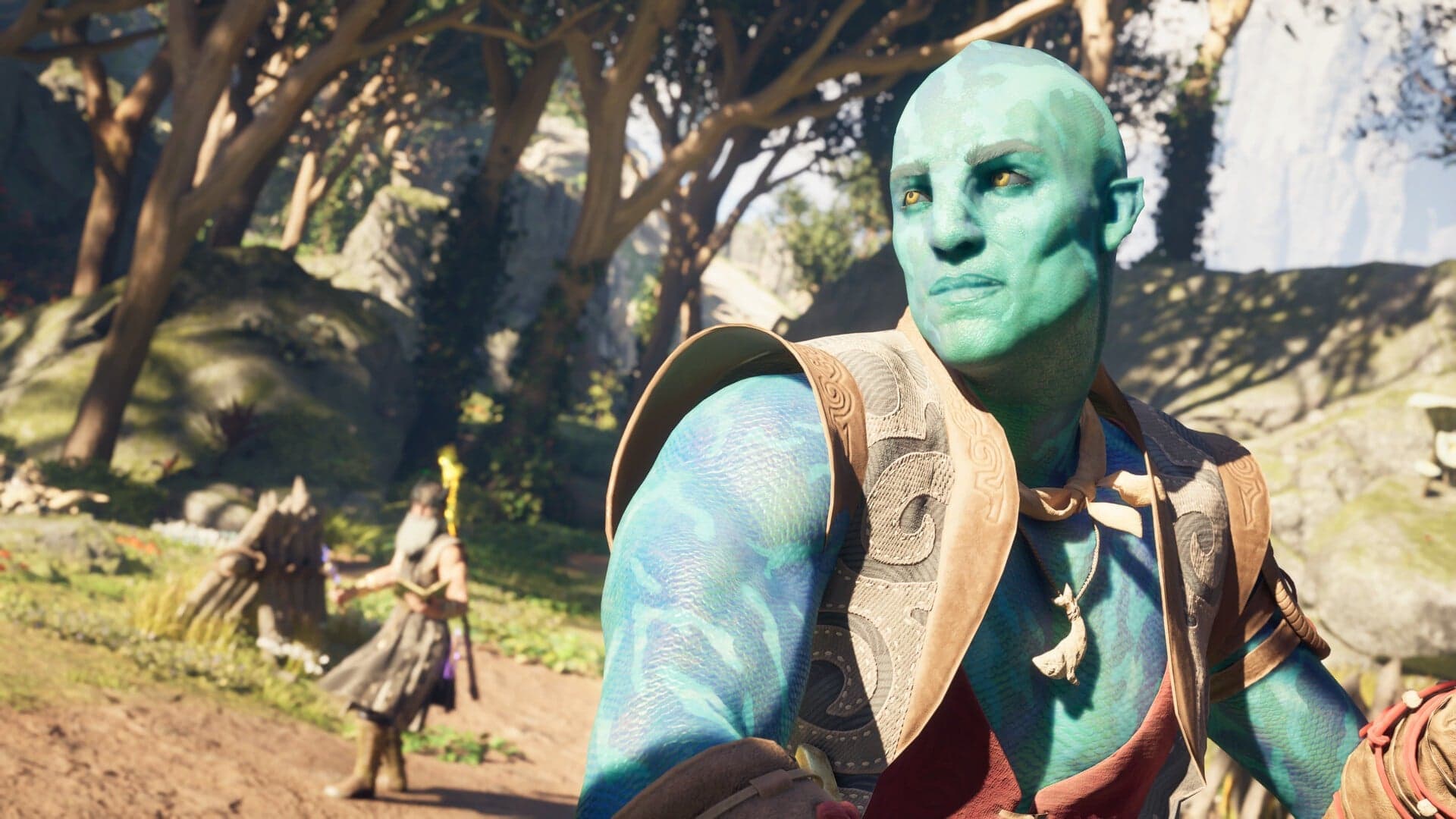
Among the hardest hit is Obsidian Entertainment, the beloved RPG studio behind titles such as The Outer Worlds and Pentiment. Obsidian had been considered a crown jewel of the Xbox Game Studios portfolio following its 2018 acquisition, making its inclusion in the layoffs particularly jarring to fans and industry observers alike. Sources have not yet confirmed exactly how many roles at Obsidian have been eliminated.
Bethesda, whose parent company ZeniMax was acquired by Microsoft in a $7.5 billion deal in 2021, also faces significant cuts. The studio had already endured controversy over Starfield's mixed reception and the cancellation of several projects. Activision and Blizzard, acquired as part of Microsoft's $68.7 billion deal completed in 2023, are likewise impacted, suggesting that even the most recently integrated and commercially powerful studios are not shielded from the restructuring.
This announcement follows a broader pattern of tech-sector downsizing that has characterized 2024 and into 2025, with Microsoft having conducted multiple rounds of gaming layoffs over the past two years. The gaming industry as a whole has shed tens of thousands of jobs during this period, and today's news marks yet another grim milestone. For the developers and teams affected, it represents not just personal hardship but a disruption to projects that fans have been eagerly anticipating.
The bigger picture
What makes today's announcement particularly significant is not just its scale, but its symbolic weight. Microsoft spent years and an extraordinary amount of capital — over $75 billion combined — acquiring some of the most recognizable names in gaming. The promise was creative expansion, game pass content velocity, and a more competitive ecosystem. Instead, the company is now systematically cutting the very human infrastructure those acquisitions were built on. It raises an uncomfortable question: were these acquisitions ever about the people, or primarily about the intellectual property and distribution power?
The competitive implications are serious. Sony and Nintendo will be watching carefully. A destabilized Obsidian or Bethesda — studios whose reputations rest on long development cycles and creative cohesion — could mean delays, creative drift, or talent exodus to rivals and independent studios. Game Pass has always depended on a reliable pipeline of first-party exclusives to justify subscriptions, and gutting the teams behind those games is a strange strategy if the goal is subscriber retention and growth. Investors may be pleased short-term, but the long-term product risk is real.
Readers should watch for two things in the weeks ahead: first, whether any high-profile creative leads announce departures in the wake of these cuts, as that would signal deeper organizational damage than raw headcount numbers suggest. Second, whether any currently announced games from affected studios face delays or quiet cancellations. The human cost here is immense and should not be lost in the business analysis — thousands of careers have been upended, and the games industry's ongoing inability to provide job stability remains one of its most pressing unsolved problems.
We felt it was important to cover this story not just as a business headline, but as something that affects real people working in an industry our readers care deeply about. At LagPing, we believe gaming coverage has to reckon honestly with the labor conditions behind the games we love, not just celebrate the releases. When studios like Obsidian — whose small, passionate teams have built genuinely beloved worlds — face mass layoffs, that has downstream effects on the games themselves, not just the balance sheet. We're also covering this because the sheer breadth of what Asha Sharma confirmed today is remarkable; this isn't a targeted restructuring, it's a seismic reshaping of the entire Xbox ecosystem. We'll be tracking how this plays out across individual studios, what it means for games currently in development, and what it signals about Microsoft's long-term vision for gaming. This is a story we'll be returning to.
As an Amazon Associate, LagPing earns from qualifying purchases. Product links are affiliate links.
You might also like

Nearly 5,000 Jobs Gone as Microsoft Restructures Around AI at Fiscal Year Start
The Verge AI

Microsoft's Xbox Purge: 3,200 Jobs Gone and Five Iconic Studios Cut Loose
Rock Paper Shotgun
Microsoft's Bloodbath Reaches Obsidian as Studio Sheds 60–70 Senior Staff
Push Square
id Software's Future in Doubt After Xbox Cuts Leave DOOM Maker a Shell of Its Former Self
Push Square