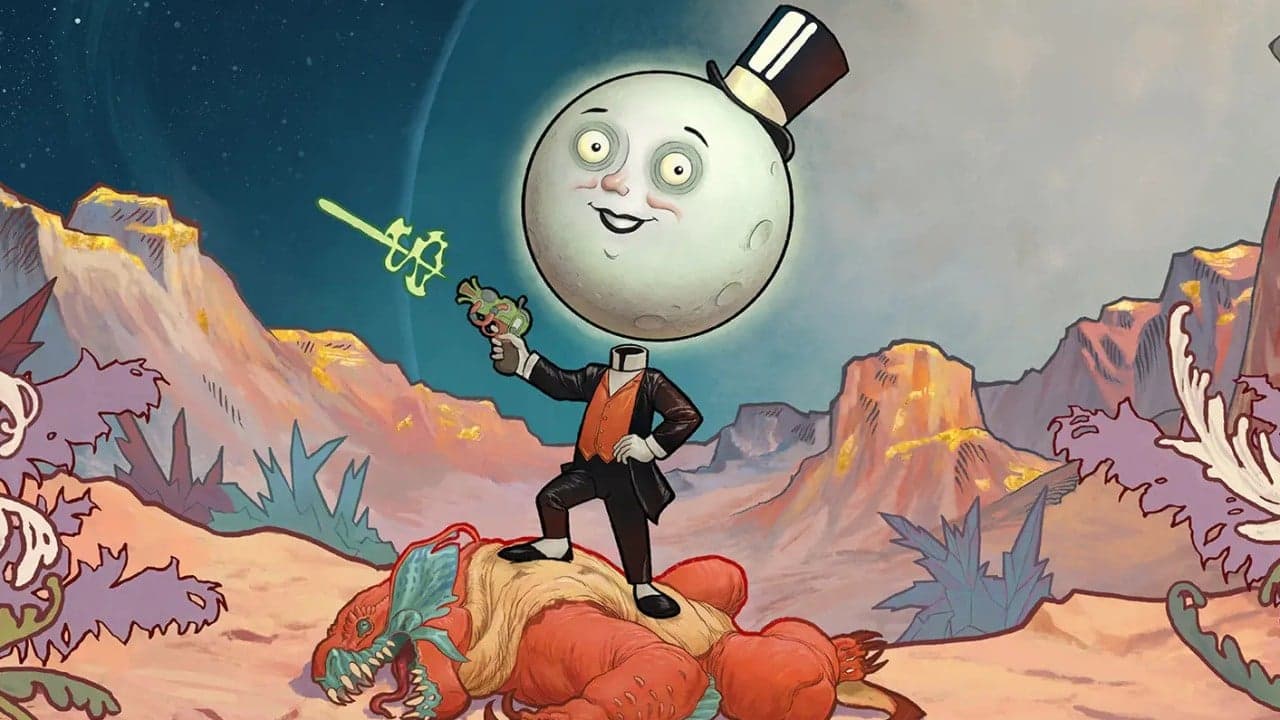
Microsoft's Bloodbath Reaches Obsidian as Studio Sheds 60–70 Senior Staff
Key takeaways
- Obsidian Entertainment has lost between 60 and 70 employees — approximately 25% of its workforce — as part of Microsoft's broader gaming layoffs.
- Many of those affected were senior staff with over a decade of experience, raising concerns about lasting damage to the studio's creative foundation.
- The cuts follow underwhelming commercial performance from The Outer Worlds 2, putting Obsidian's long-term future under the Xbox banner in serious doubt.
The human cost of Microsoft's massive gaming division restructuring became sharply clearer this week as reports emerged that Obsidian Entertainment — the RPG studio behind beloved titles including Grounded, Avowed, and The Outer Worlds franchise — has shed between 60 and 70 employees, amounting to roughly a quarter of its entire workforce. The cuts were not included in the initial wave of announcements when Microsoft disclosed broader gaming layoffs, and only surfaced through reporting by Kotaku, suggesting the full scope of the damage is still being pieced together publicly. The studio has not issued an independent statement addressing the departures.
What makes these particular cuts especially significant is who was affected. According to Kotaku's sourcing, many of the employees let go held senior positions, with some having spent more than ten years building their careers at Obsidian. This is not the kind of workforce trimming that typically follows a product launch — studios often shed contract workers or junior support staff post-ship. Losing senior talent at this scale represents institutional knowledge walking out the door, and rebuilding that depth takes years, not months.
The news arrives against a turbulent backdrop for the studio. Just last week, reports circulated suggesting Obsidian may have been facing full closure, though those claims were subsequently disputed. In retrospect, it seems the closure rumors and the layoff reality may have been two versions of the same underlying crisis, with details getting lost or distorted in the reporting chain. Either scenario represents a serious inflection point for a studio that has been part of Xbox's first-party lineup since 2018.
Obsidian's commercial track record under Microsoft has been a complicated story. The studio has consistently produced critically respected work, but none of its Xbox-era titles have broken through into mainstream bestseller territory. The Outer Worlds 2, released in 2025 and described as the studio's most ambitious and expensive project to date, failed to replicate even the modest commercial success of its predecessor, trailing it in sales by a significant margin. That underperformance almost certainly factored into the decision-making behind these cuts.
With Microsoft's gaming division now operating under renewed pressure to justify its enormous spending on studios and acquisitions, Obsidian finds itself at a crossroads. The talent it retains will need to demonstrate clear commercial potential on whatever project comes next, and the studio will need to do so with a noticeably thinner roster than it had even a few weeks ago. The broader Xbox layoff wave has affected thousands across the gaming brand, and Obsidian's situation is one of the more visible and painful chapters in that ongoing story.
The bigger picture
Microsoft's decision to cut so deeply into Obsidian's senior ranks tells us something important about how the company is now evaluating its first-party studios — and the metric appears to be commercial return, not critical pedigree. Obsidian has long been regarded as one of the more creatively ambitious outfits in the RPG space, but creative reputation doesn't offset the kind of losses The Outer Worlds 2 apparently generated relative to its production budget. When a publisher starts trimming the people who carry institutional memory and design philosophy, it's a signal that the studio's creative direction may be getting reset from the top down, not just rightsized.
The competitive implications here extend beyond Obsidian itself. Xbox's first-party portfolio has struggled for years to produce the kind of system-defining exclusives that PlayStation consistently delivers, and losing experienced developers — even in studios that aren't your most prominent — weakens the bench further. Meanwhile, independent and mid-size RPG studios are watching this unfold and likely calculating how to absorb any talent that finds itself newly available. The diaspora from large studio layoffs often seeds the next generation of notable independent games, which is cold comfort for those affected but does suggest the talent won't disappear from the industry entirely.
What readers should monitor in the coming months is whether Obsidian publicly announces a new project, and what shape that project takes. A smaller, lower-budget game would suggest Microsoft has dramatically recalibrated the studio's ambitions. A return to a beloved IP could indicate an attempt to rebuild commercial footing on familiar ground. If no announcement comes and further departures follow, the closure rumors that were denied last week may simply be playing out on a slower timeline than originally feared.
We're covering this story at LagPing because Obsidian represents something genuinely important to the RPG community — a studio with a lineage stretching back to Fallout: New Vegas and Knights of the Old Republic II, now caught in the crossfire of corporate restructuring at a scale that feels increasingly indiscriminate. These aren't just job losses in an abstract sense; they're the departure of people who defined the texture and design philosophy of games that many of our readers hold close. We think it's worth slowing down and recognizing that reality rather than treating this as just another line item in a layoff count. This story also sits inside a much wider conversation we've been tracking about what Microsoft's gaming ambitions actually look like in practice versus what was promised when the acquisition wave began. Understanding what's happening to Obsidian helps us understand where Xbox is heading — and whether its first-party strategy has a coherent vision at all.
As an Amazon Associate, LagPing earns from qualifying purchases. Product links are affiliate links.
You might also like
Obsidian Shelves Its RPG Future as Microsoft Bets Big on Fallout
Pure Xbox

Obsidian's Josh Sawyer Reportedly Leading New Fallout RPG — So Why Does It Feel Wrong?
Rock Paper Shotgun
3,200 Jobs Gone: Obsidian, Bethesda, and Activision Studios Gutted in Microsoft's Massive Cuts
Pure Xbox

Pirate Remaster Sails Surprisingly Well on Steam Machine, Matching Desktop GPU Performance
Rock Paper Shotgun