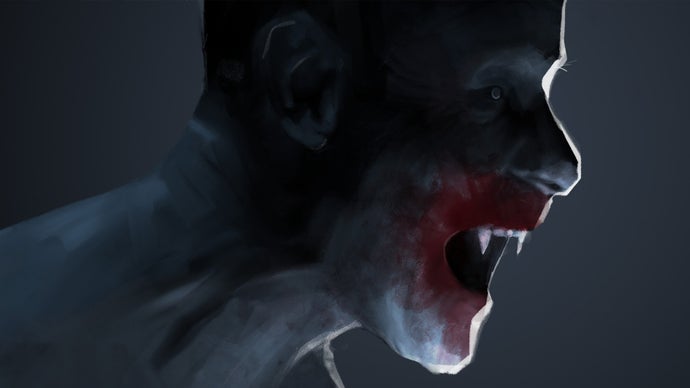
Bithell's Stripped-Down Vampire Sim Shows Why Smaller Games Can Move Faster
Key takeaways
- Vampirium: 1997 uses a tile-and-text 'im-slim' format to allow rapid addition of new mechanics, with Bithell claiming new player verbs can be implemented in days rather than weeks.
- The project follows Bithell Games laying off most of its staff after the poor commercial performance of Tron: Identity, with creative independence cited as a key motivator.
- Bithell acknowledges uncertainty about the game's reception but draws a design parallel to disciplined reduction, arguing that stripping visuals lets him massively overinvest in player agency.
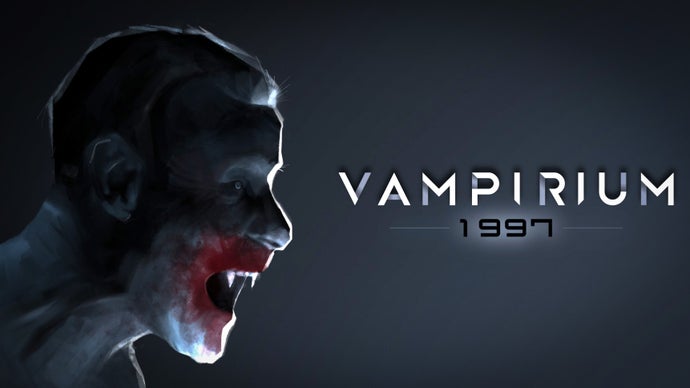
Mike Bithell, the developer behind Thomas Was Alone and a string of licensed titles, is taking a dramatically different path with his latest project, Vampirium: 1997. Unlike the visually ambitious 3D games that defined his recent output, this new release strips everything back to tiles, text menus, a navigable map, and occasional 2D imagery. It is a deliberate and considered departure — one born as much out of circumstance as creative ambition. Bithell himself describes the format as 'im-slim,' a self-coined term for an immersive sim built lean from the ground up.
The backstory behind this creative pivot is significant. Bithell Games previously developed licensed projects including John Wick Hex and Tron: Identity, but after the latter performed poorly commercially, the studio was forced to lay off the majority of its team. What remained, according to Bithell, was something valuable: independence. Free from the expectations of major IP holders and corporate partners, he found himself able to build something entirely personal and speak about it without restriction.
The core design philosophy behind Vampirium: 1997 centers on what Bithell calls the 'possibility space' of immersive sims — the idea that players should have meaningful agency in how they approach a given situation. By abstracting that freedom into a tile-based, text-driven format, he argues that the development overhead of adding new systems becomes drastically reduced. Where a new mechanic in a traditional 3D game might take weeks or months of engineering and art work, Bithell says he can implement a new 'verb' — a player action or interaction — within a matter of days.
A telling anecdote illustrates this well. During playtesting, a participant asked why they couldn't push another character. Rather than shelving the idea as too costly, Bithell found himself rapidly thinking through how a push mechanic might function within the game's systems — and implementing it in short order. It is a small moment, but it captures exactly the kind of creative fluidity the slim format is designed to enable. The game rewards curiosity from both its developer and its players.
Vampirium: 1997 was announced earlier in July and is currently available to wishlist on Steam. Bithell freely admits uncertainty about whether the finished product will resonate broadly, drawing a wry analogy to dieting — it's about trimming the right things, not cutting indiscriminately. But the early signs from a production standpoint are encouraging, and his enthusiasm for the project is evident. For a developer who spent years working within the creative constraints of licensed games, this feels like a genuine homecoming.
The bigger picture
What makes Vampirium: 1997 compelling from an industry perspective is not just what it is, but what it represents as a response to the economics of modern game development. Mid-sized studios working on licensed IP occupy a precarious middle ground — they carry AAA-level expectations around production quality while lacking the budget or brand safety net of a major publisher. When those projects falter, as Tron: Identity did, the fallout can be severe. Bithell's pivot toward ultra-lean development is a logical and arguably necessary recalibration.
The 'im-slim' concept also arrives at a moment when immersive sims as a genre are struggling commercially at scale. Titles like Prey and Deathloop performed below expectations despite critical praise, and the genre's notorious development costs have made publishers increasingly wary. Bithell's approach essentially asks: what if we separated the design philosophy of immersive sims from the visual and technical demands that make them so expensive? It is a genuinely interesting question, and one that could influence how other small studios approach systemic design.
The risk, of course, is audience reception. Text-based and tile-driven games occupy a niche that enthusiasts love but mainstream players often resist, particularly when the genre label — immersive sim — carries specific visual expectations. Bithell's name carries enough recognition to draw attention, but converting curiosity into sales will depend on whether the game's possibility space feels genuinely rewarding in practice. Watch closely how the Steam wishlist numbers develop, and whether a broader indie audience latches on to the format ahead of launch.
We are covering Vampirium: 1997 because it sits at a genuinely fascinating intersection of creative reinvention, industry economics, and game design philosophy — all things we care about deeply at LagPing. Mike Bithell is not an anonymous developer; he built a real following and then spent years navigating the complicated world of licensed game development. The fact that he has come out the other side with something this personal and experimental feels meaningful, and we think our readers deserve coverage that treats it as such. The 'im-slim' concept is also the kind of design idea that tends to quietly influence other developers, so getting familiar with it now matters. We are also conscious that stories about studios recovering from layoffs and rediscovering creative independence carry weight in a moment when the games industry has seen significant job losses across the board. This is not just a game announcement — it is a story about what happens when a developer bets on freedom over scale.
As an Amazon Associate, LagPing earns from qualifying purchases. Product links are affiliate links.
You might also like
Dawnwalker's Tooth Economy Lets Vampires Manipulate Time Through Gruesome Fairy Deals
Jul 25
Bithell Games Returns With Dracula-Ruled Britain in Tactical Vampire Sim Vampirium: 1997
Jul 9

Rebel Wolves' Vampire RPG Wows Critics in Early Hands-On: A Witcher Rival in the Making?
Jul 9

Half-Vampire, 30-Day Clock: Rebel Wolves Reveals How Choice Really Works in Dawnwalker
Jul 8