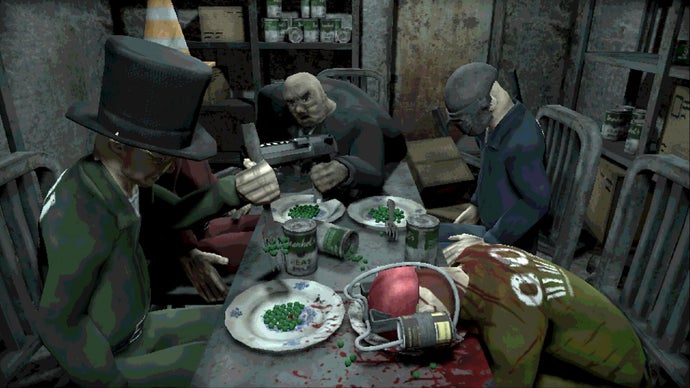
Buckshot Roulette Creator's New Party Game Turns Player Elimination Into Deadly Spectacle
Key takeaways
- Machine Party is a new release from Buckshot Roulette developer Mike Klubnika, made with collaborator GDeavid
- The game reimagines the party game format by making player failure genuinely lethal rather than consequence-free
- Klubnika's track record of subverting familiar genres suggests Machine Party could generate significant community buzz
Mike Klubnika, the developer behind the viral sensation Buckshot Roulette, has released a brand-new title called Machine Party, developed in collaboration with GDeavid. The game takes the familiar competitive framework of classic party games and twists it into something far darker — a multiplayer experience where losing isn't just embarrassing, it's lethal. The release marks another provocative creative swing from a developer who has built a reputation for subverting expectations within established game formats.
The concept draws on a well-known cultural truth: party games designed for family fun have always had an extraordinary capacity to generate genuine anger and interpersonal conflict. Anyone who has played a round of a major Nintendo party title knows the particular frustration of watching a well-laid plan collapse thanks to a random board event or a friend's perfectly timed betrayal. Machine Party seems purpose-built to acknowledge and amplify that tension rather than paper over it with cheerful aesthetics.
Klubnika's previous work, Buckshot Roulette, found an enormous audience by taking the mundane concept of a card game and infusing it with extreme, psychological stakes. That game's success demonstrated that players have a real appetite for experiences that force them to sit with discomfort and risk rather than offering a comfortable safety net. Machine Party appears to channel that same philosophy into a social, multiplayer context.
The tagline — 'where failure is lethal' — positions the game as something of a philosophical inversion of the cheerful party game genre. Rather than softening competitive friction with bright colors and cartoon characters, Machine Party reportedly leans directly into the consequences of losing, making elimination feel weighty and consequential. This framing alone sets it apart from virtually everything else in the genre.
With Machine Party out now, players curious about Klubnika's evolving design sensibility have an immediate opportunity to dive in. Given the developer's track record of generating significant word-of-mouth through unconventional design choices, this title seems positioned to generate considerable conversation across gaming communities in the weeks ahead.
The bigger picture
Mike Klubnika's rapid follow-up to Buckshot Roulette is a smart creative move, and it tells us something meaningful about where this developer's instincts are pointing. Rather than retreating to a safer, more conventional project after a breakout success, Klubnika is doubling down on the core idea that tension and genuine stakes make games more memorable. That's a bold philosophy in a market where many indie developers chase the safety of proven formulas after their first hit lands.
The party game genre is also a surprisingly clever arena for this kind of subversion. Big-budget party games have spent decades carefully calibrating their experiences to minimize genuine distress — rubber-banding mechanics, catch-up systems, and soft consequences all exist to keep players from feeling truly punished. Machine Party's apparent willingness to strip that safety net away could resonate strongly with audiences who have always sensed that the sanitized version of competitive fun is missing something raw and real.
What readers should watch closely is how the game performs in communal streaming and content creation contexts. Buckshot Roulette thrived on platforms like Twitch and YouTube because its high-stakes moments were inherently dramatic and shareable. Machine Party, with its lethal failure states and party game structure, seems engineered for exactly those viral moments. If it catches fire in the content creation space the way its predecessor did, Klubnika may cement a genuinely distinctive identity in the indie development scene — one built entirely around weaponizing discomfort.
We're covering Machine Party here at LagPing because it represents something genuinely interesting happening at the intersection of indie game design and genre deconstruction. Mike Klubnika isn't a developer who plays it safe, and after Buckshot Roulette demonstrated that there's a massive audience for high-concept, high-tension games, watching what he builds next feels like following a genuinely compelling creative story. Party games might seem like a niche angle, but the cultural conversation around competitive gaming frustration — the rage, the betrayal, the sheer emotional investment — is one that connects with enormous numbers of players. Machine Party arrives at a moment when the gaming audience is clearly hungry for experiences that feel daring and different. We think this one deserves attention beyond the immediate release window, and we'll be watching how its community reception unfolds.
As an Amazon Associate, LagPing earns from qualifying purchases. Product links are affiliate links.
You might also like
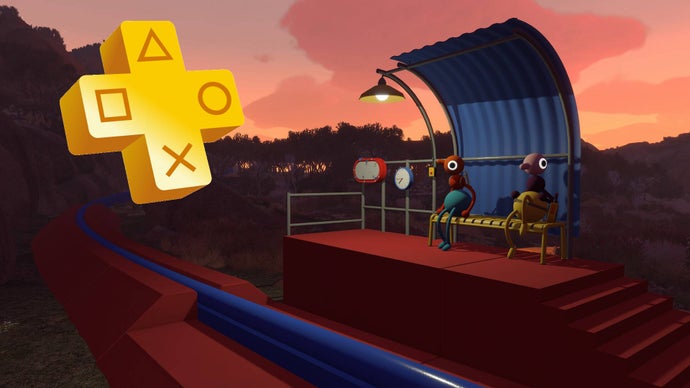
Sony's August PS Plus Lineup Delivers Horror Gem Signalis and Big Walk From Untitled Goose Creators
Jul 29
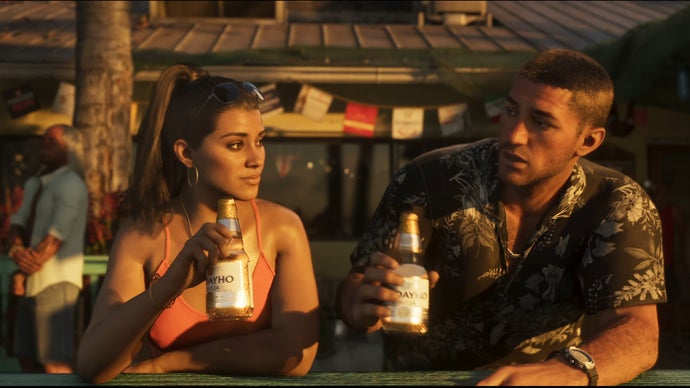
GTA Creators Weigh In on Disc vs. Digital War Sparked by GTA 6 Decision
Jul 28

Sony's PS5 First-Party Pipeline Examined: Studio Closures, Long Waits, and a Wolverine Release Date
Jul 23

TikTok Rolls Out Opt-In Scanning Feature to Catch Unauthorized AI Versions of Creators
Jul 18