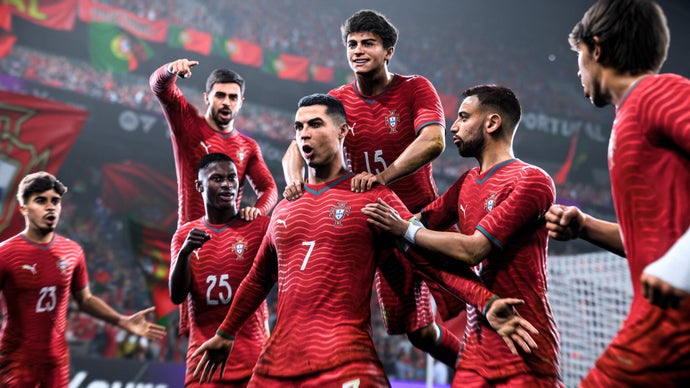
EU Clears Saudi PIF's $55B Electronic Arts Takeover — But US Scrutiny Remains
Key takeaways
- The European Commission approved the $55B EA acquisition by Saudi Arabia's PIF, Silver Lake, and Affinity Partners, citing no meaningful EU competition concerns.
- 46 US lawmakers have asked the FTC to investigate the deal for potential antitrust violations and worker harm, leaving American regulatory approval uncertain.
- Human rights advocates and observers have raised concerns about EA employees falling under majority ownership of a fund representing the Saudi government.
The European Commission has formally approved the $55 billion leveraged buyout of Electronic Arts, giving the green light to a deal that would hand majority ownership of one of the world's largest video game publishers to Saudi Arabia's Public Investment Fund, private equity firm Silver Lake, and Affinity Partners — the investment firm co-founded by Jared Kushner. The Commission announced its decision on July 23rd, 2026, concluding through its standard merger review procedure that the transaction does not raise competition concerns under EU Merger Regulation. The ruling specifically assessed whether the deal could significantly impede effective competition within EU markets and found the impact to be limited.
In its official statement, the Commission noted that the transaction would have only limited bearing on competition in the sectors where the involved parties currently operate. Under EU merger rules, deals that do not threaten to impede competition are approved unconditionally, while those that could harm businesses or consumers through reduced choice or elevated prices are either modified through agreed commitments or outright prohibited. EA's acquisition passed that threshold without requiring any such conditions from the merging parties.
Despite the EU's blessing, the deal is far from universally welcomed. Earlier in 2026, 46 US lawmakers co-signed a letter urging the Federal Trade Commission to open an investigation into the acquisition over fears it could prove damaging to EA's workforce and potentially violate American antitrust law. That request remains open, and the FTC has not yet publicly concluded its own review, meaning the buyout still has a meaningful regulatory hurdle left on home soil before it can be considered fully cleared.
The human dimension of this deal extends well beyond balance sheets and competition law. EA's employees would become majority-owned by a fund representing the government of Saudi Arabia — a regime that Amnesty International has repeatedly criticized for its human rights record, including the arbitrary detention and execution of individuals for expressing dissenting opinions, systematic abuse of migrant workers, and entrenched discrimination against women. The CIA has also assessed that Saudi Crown Prince Mohammed bin Salman ordered the 2018 murder of journalist Jamal Khashoggi, a conclusion Saudi Arabia has denied.
For EA — a publisher behind massive franchises including FIFA (now EA Sports FC), The Sims, Battlefield, and Apex Legends — the ownership change would represent a seismic shift in corporate identity. The studio has already been navigating a turbulent period marked by significant layoffs and underwhelming commercial performances from several major titles. How incoming ownership from the PIF might influence development priorities, studio autonomy, and workforce conditions will be a defining question as the deal moves closer to its final stages.
The bigger picture
The European Commission's approval is significant as a procedural milestone, but reading too deeply into it as a full endorsement of this deal would be a mistake. The EU review process is narrowly scoped — it asks only whether a transaction distorts competition within European markets. It does not weigh in on labor practices, geopolitical entanglements, or the broader ethical questions raised by sovereign wealth funds tied to authoritarian governments buying up culturally influential entertainment companies. Regulators in Brussels did precisely what their mandate required, and nothing more.
What matters now is Washington. The 46 lawmakers who demanded an FTC investigation represent real political friction that could yet complicate the timeline, even if the ultimate probability of the deal being blocked in the US is considered low. The FTC under various administrations has shown variable appetite for challenging major media and tech acquisitions, and the political optics of scrutinizing a deal involving Jared Kushner's investment firm add an unusual layer of complexity. Watching whether the FTC moves forward substantively or quietly lets the deal pass will tell observers a great deal about the current regulatory climate for foreign acquisition of major American entertainment assets.
For the gaming industry, this acquisition — if it closes — continues a pattern of consolidation that is reshaping who owns the interactive entertainment space. Microsoft's acquisition of Activision Blizzard was the last landmark deal to clear global regulators, and now EA could follow a similar path. The difference is that sovereign wealth fund ownership of a gaming giant is genuinely uncharted territory at this scale. Workers, creative teams, and game communities deserve to know how PIF ownership will translate into actual decisions about game development, monetization, and studio culture. Those answers won't come from competition regulators — they'll only emerge after the ink is dry.
We're covering this story closely at LagPing because it sits at the intersection of gaming, geopolitics, and corporate power in a way that directly affects millions of players and the people who make the games they love. EA isn't just a publisher — it's a cornerstone of mainstream gaming culture, and a change in ownership of this magnitude deserves serious, sustained attention beyond the financial headlines. The EU clearance is one chapter, but we want our readers to understand that the story is far from over, especially with US regulatory questions still live. We also think it's important not to sanitize the human rights context here; the people who work at EA and the fans who spend money on EA games deserve honest coverage of what this ownership change could mean in practice. We'll continue tracking every development as the deal moves through its remaining approval processes.
As an Amazon Associate, LagPing earns from qualifying purchases. Product links are affiliate links.
You might also like
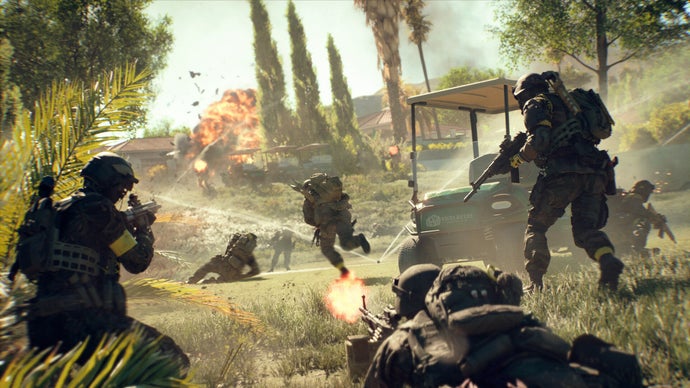
Saudi Arabia, Silver Lake, and Kushner's Affinity Complete $55B EA Buyout, Taking Publisher Private
3d ago

GDQ Drops SNK Sponsorship Mid-Stream After Backlash Over Saudi Arabia's Human Rights Record
Jul 14

Activision Clears Up PS4/PS5 Matchmaking Confusion for Surprise Black Ops Re-Releases
Jul 13

2007 FromSoftware Prototype Reveals Demon's Souls Once Let Players Switch to First-Person View
18h ago