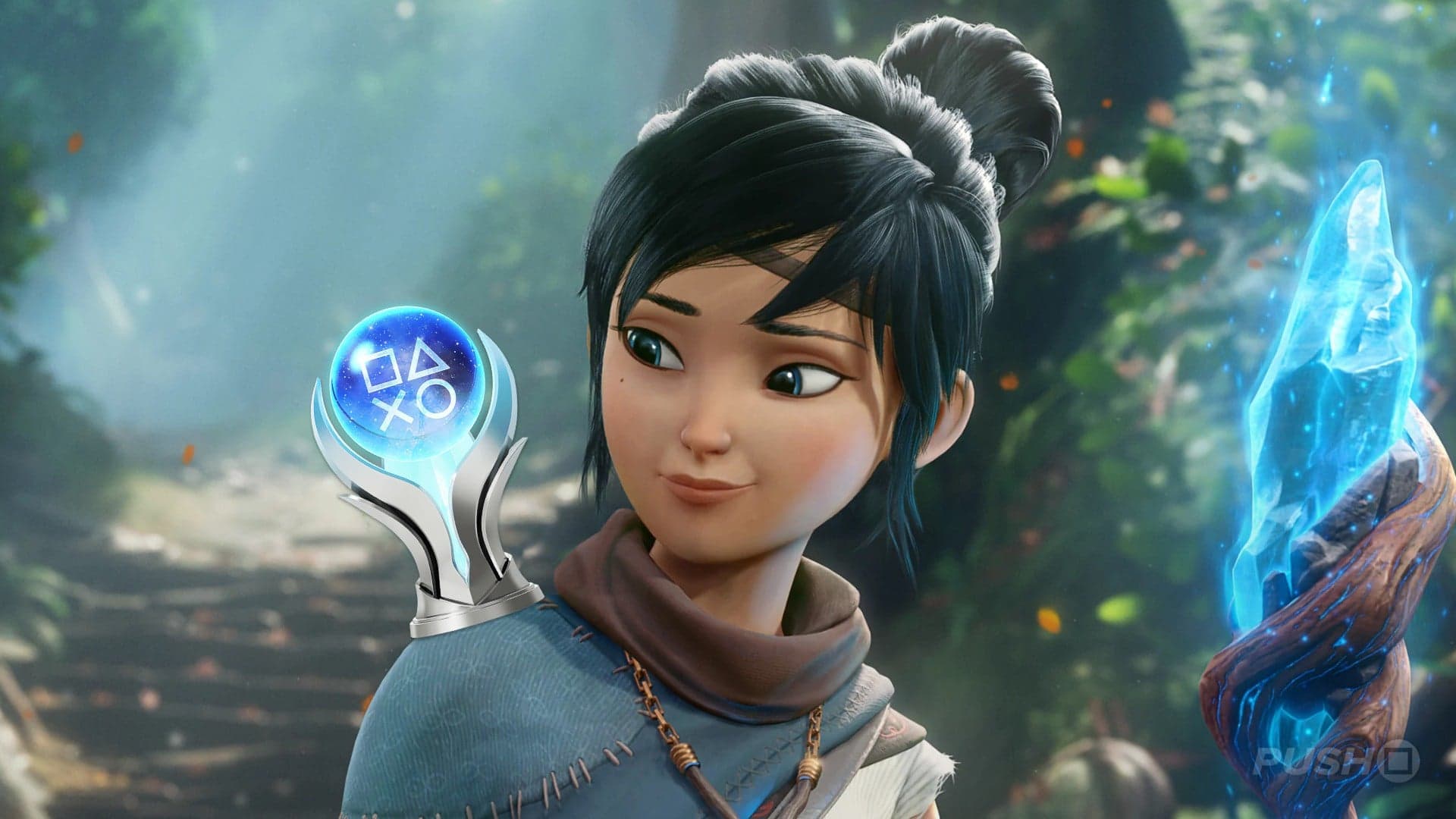
One Writer's Shameless Exploit Run: Snagging Kena's Toughest Trophy Without the Grind
Key takeaways
- A save file exploit allowed players to unlock Kena's hardest trophy without completing Master difficulty — and it has since been patched out.
- The Master Spirit Guide trophy requires a full second playthrough on the game's toughest setting, a barrier many players found unreasonably steep.
- The story highlights ongoing tensions in trophy design between rewarding hardcore players and respecting the time of a broader audience.
Platinum trophy hunting is a culture unto itself — a pursuit that separates the casually committed from the obsessively dedicated. For one writer, trophy number 31 came with an asterisk, a conscience check, and ultimately, zero regret. The game in question is Kena: Bridge of Spirits, Ember Lab's visually stunning action-adventure title that launched on September 21, 2021, and the exploit in question was both brief in its availability and remarkably effective while it lasted.
The majority of Kena's trophy list is entirely achievable through normal gameplay, and most players who invest reasonable time into the experience will rack up a solid collection without breaking a sweat. The sticking point is a gold trophy called Master Spirit Guide, which requires players to complete the entire game on Master difficulty — the hardest setting available. Crucially, Master difficulty doesn't even become accessible until after a player has already finished the game once on any other setting, effectively demanding a full second playthrough at a punishing level of challenge.
Shortly after the game's launch, a bug surfaced in community discussions that offered a significant shortcut. Players discovered that by starting a fresh run on Master difficulty and then loading an endgame save file from a previous playthrough, the game's trophy tracking system failed to distinguish between the two separate sessions. The result was that the Master Spirit Guide trophy would unlock without the player having actually battled through the full game under those brutal conditions.
The writer in question, who had reviewed Kena prior to its launch and completed it normally, caught wind of this exploit online. Framing the experiment as research for a potential news story, they tested the bug themselves — and it worked. The platinum trophy was secured in a fraction of the time a legitimate Master run would have demanded. Ember Lab patched the exploit out relatively quickly, closing the window for anyone hoping to replicate the shortcut today.
Kena: Bridge of Spirits has since remained a beloved title in the indie action-adventure space, with a sequel now reportedly on the horizon generating renewed fan interest. The game's reputation for gorgeous visuals and engaging combat is well-established, even if its difficulty spikes on higher settings drew some criticism. Whether future players earn that platinum the hard way or simply admire it from afar, the story of exploit #31 will live on as a small, gleeful footnote in one trophy hunter's career.
The bigger picture
Trophy hunting occupies a fascinating psychological space in gaming culture. For many players, platinums represent genuine mastery — proof of skill, patience, and dedication etched into a digital record. But a significant portion of the community takes a more pragmatic view: the trophy exists, the means to acquire it existed, and the outcome is identical regardless of method. Neither camp is entirely wrong, and the tension between them says a lot about why achievement systems resonate so deeply with modern players in the first place.
What makes this particular story interesting from an industry perspective is what it reveals about game difficulty design and its relationship to completionist culture. Locking the hardest trophy behind a mandatory second full playthrough is a design decision that effectively punishes players who don't have unlimited time — or unlimited enthusiasm for repetition. Developers like Ember Lab walk a delicate line between rewarding hardcore players and alienating the broader audience that fell in love with the game's more accessible qualities. When a bug offers a middle path, it's no surprise that players take it.
Looking ahead, the existence of such exploits and the community discussions that spread them so rapidly speak to how interconnected gaming culture has become. Players share discoveries in real time across forums, social media, and content platforms, meaning a bug's lifespan as a usable shortcut can be measured in days before developers respond with patches. Publishers and developers should take note: the completionist community is resourceful, highly networked, and not necessarily motivated by the same values the trophy system was designed to enforce. That gap between design intent and player behavior is worth watching closely as live-service games and achievement ecosystems continue to evolve.
We decided to run this piece because it captures something genuinely honest about the gaming experience that most publications gloss over. Trophy hunting content tends to skew toward celebration or comprehensive guides, but rarely do we get a writer sitting down and saying, yes, I bent the rules, and here is exactly how I feel about it. That kind of candor is refreshing, and we think our readers deserve coverage that reflects the full, messy reality of how people actually engage with games. The timing also feels right — with Kena's sequel generating buzz, there's renewed interest in the original title and the culture that grew around it. We're not here to judge anyone's approach to single-player trophies, but we are here to spark a conversation about what completion really means, and whether the destination always has to justify the journey.
As an Amazon Associate, LagPing earns from qualifying purchases. Product links are affiliate links.
You might also like

Fanfic Writers Turn On Each Other as AI Detection Crusade Sparks Friendly Fire
The Verge AI

BioShocking Exploit Tricks AI Browsers Into Believing 2+2=5 — Then Steals Your Passwords
Ars Technica

Owlcat Turns Disaster Into Deal: All Rogue Trader DLC Goes Free on Switch 2 After Rough Start
Eurogamer
Half-Vampire, 30-Day Clock: Rebel Wolves Reveals How Choice Really Works in Dawnwalker
PlayStation Blog