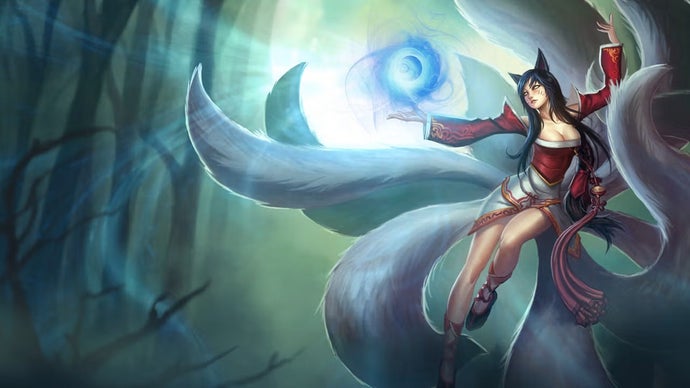
Riot's Nostalgia Tax: LoL Classic Forces Players to Pay for Champions' Original Looks
Key takeaways
- League of Legends Classic launches July 29th, but original champion appearances require unlocking via tokens costing ~$5 each rather than being the default look
- Only four free classic skin tokens are available through the game's progression systems, leaving 56 of 60 launch champions stuck in modern visual designs without additional spending
- Classic skin purchases are locked exclusively to the Classic mode and cannot carry over to standard League of Legends, further frustrating players over the value proposition
League of Legends Classic, Riot Games' much-anticipated throwback mode recreating the early seasons of its iconic MOBA, is set to launch globally on July 29th — but the road to release has already hit a significant bump. Players currently testing the mode on the Public Beta Environment have taken issue with how champion appearances are handled, specifically the fact that classic, era-appropriate character models must be unlocked rather than being the default experience. It's a decision that has ignited fierce debate across League of Legends communities worldwide.
The mode does offer some free avenues to obtain classic looks. Through the Classic Path — a battle pass featuring both free and premium tiers — players can earn a Classic skin token by progressing through the system. Additionally, the Classic Progression Track provides three skin vouchers, bringing the combined free total to four tokens across both systems. With 60 champions available at launch, however, that leaves 56 characters still displaying their contemporary models unless players open their wallets. Each additional classic skin token runs 500 Riot Points, which translates to roughly five dollars per champion.
The community response has been swift and largely scathing. On the League of Legends subreddit, user Prime_Desire captured the prevailing sentiment bluntly, writing that charging for classic skins is 'genuinely wild' and arguing that players are effectively being asked to purchase what was once simply the default state of the game. Many comments drew pointed comparisons to World of Warcraft Classic, Blizzard's own nostalgic re-release, which allowed modern WoW subscribers to access classic servers without any additional fees — a contrast that has only intensified criticism of Riot's approach.
Adding fuel to the fire is the fact that classic skin tokens purchased for League of Legends Classic cannot be transferred to or used in the main, modern version of the game. This means spending five dollars on a classic champion appearance yields content exclusive to the throwback mode, which users argue fundamentally undermines the value proposition. 'I'd have no problem paying for them if I could use them in normal league too,' wrote user Seby44, a sentiment echoed widely. The frustration is compounded by the argument that these weren't cosmetic enhancements back in the day — they were simply how the characters looked.
Beyond the monetization controversy, some players feel the mode itself exists in an uneasy middle ground between old and new. Observations from PBE testing note that certain champions are using modern auto-attack animations and voice lines rather than the era-accurate originals, with one user describing the overall experience as sitting in the 'uncanny valley.' Riot has confirmed that some champions like Sion received updated VFX and animation work to match their classic move sets, though the extent and origin of that work hasn't been fully disclosed. The studio has indicated League Classic is intended as a long-term addition rather than a limited-time event, leaving room for ongoing refinements — though how quickly, and how thoroughly, those improvements arrive remains to be seen.
The bigger picture
The core tension here isn't really about five-dollar skin tokens in isolation — it's about what a nostalgia product implicitly promises and whether Riot is delivering on that promise. When players hear 'Classic mode,' they reasonably expect to be transported back in time with minimal friction. Gating the very visual identity of that era behind a per-champion purchase fundamentally disrupts the illusion, and no amount of framing around development costs fully neutralizes that perception problem. Riot is essentially selling the past while charging a premium for its most recognizable features.
The World of Warcraft Classic comparison is damaging precisely because it's apt. Blizzard set a precedent that a major studio could resurrect an older version of a beloved game and treat existing players fairly in the process. WoW Classic wasn't without criticism, but its access model wasn't one of the flashpoints. Riot walking into this space with a per-champion unlock system — especially one where purchased content is siloed exclusively within Classic — hands competitors and critics an easy narrative. The optics are difficult to shake regardless of the underlying logic.
What should concern Riot most going into the July 29th global launch is that these frustrations are arriving before most players have even touched the mode. First impressions are difficult to reverse, and if the initial wave of players feels nickeled-and-dimed, that sentiment will color coverage and word-of-mouth for weeks. Riot should be watching closely whether the free token allotment feels sufficient in practice, and whether the locked-to-Classic restriction on purchased skins is something leadership is willing to revisit. The long-term health of Classic depends on player goodwill, and that goodwill is currently being spent faster than it's being earned.
We're covering this story because it sits at the intersection of two conversations we care deeply about at LagPing: the growing nostalgia economy in gaming and the ongoing tension between players and monetization systems. League of Legends Classic is a genuinely exciting development for longtime fans of competitive MOBAs, and we wanted to make sure our readers had a clear picture of what's actually being launched — not just the marketing version of it. The paywall around default champion appearances is the kind of detail that can easily get buried under launch hype, and we think it deserves direct scrutiny. Riot is a trend-setter in the free-to-play space, and the decisions it makes here will likely influence how other studios approach similar retro releases down the line. We'll be watching how community pressure shapes the mode's development in the weeks following its global launch, and we'd encourage readers to weigh in on what they think a fair classic-mode monetization model should actually look like.
As an Amazon Associate, LagPing earns from qualifying purchases. Product links are affiliate links.
You might also like

California Forces AI Data Centers to Cover Their Own Grid Upgrades
2d ago

Our Gaming Week: Comfort Kills, Nostalgia Tugs, and Why Wolverine's Real Issues Aren't What Critics Say
Sep 12
NECHROMIA Bets on Chromatic Horror and Borrowed Memories Over PS1 Nostalgia
Aug 23
Danchi Days Locks In October Release, Scratching That GBA Handheld Nostalgia Itch
Aug 9