Silent Hill: Townfall Bets on '90s Tech Nostalgia to Replace the Franchise's Iconic Radio
Key takeaways
- Silent Hill: Townfall is set in the 1990s and replaces the franchise's iconic radio with a portable CRT screen.
- Developer No Code says retro technology is being used deliberately to trigger and subvert player nostalgia as a horror mechanic.
- The choice contrasts with The Short Message's use of modern smartphones, which many fans found tonally out of place.
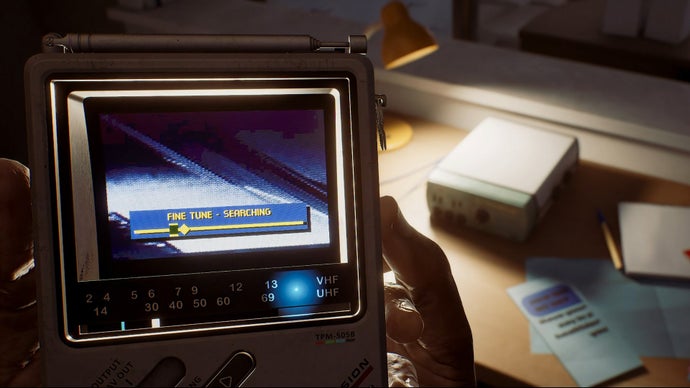
Silent Hill: Townfall, one of several titles announced as part of Konami's revival of the beloved horror franchise, is carving out its own distinct identity by anchoring itself firmly in the 1990s. Developed by No Code — the studio behind Observation and Stories Untold — Townfall replaces the series' iconic static-spewing radio with a portable CRT screen, a swap that carries significant symbolic weight given how central that radio has been to the franchise's identity for over two decades. It's a bold reimagining of a core piece of Silent Hill iconography, and one that has sparked real conversation among fans. The developers have spoken openly about this creative decision, stating that the choice of era and technology is purposeful. By grounding the game in '90s hardware, No Code is attempting to weaponize nostalgia itself — turning the warm, fuzzy feelings players associate with old CRT screens and chunky electronics into something unsettling and dread-inducing. It's a clever psychological gambit, using the very comfort of familiar retro aesthetics to amplify horror rather than soften it. This approach stands in contrast to The Short Message, Konami's earlier free-to-play Silent Hill title, which incorporated modern smartphone imagery that some players found jarring and tonally inconsistent with the franchise's established atmosphere. The presence of faux iPhones in that game struck many longtime fans as aesthetically out of place, highlighting just how carefully the series needs to handle its relationship with technology as a narrative device. Townfall's retro setting may also give No Code more creative freedom to explore the psychological and surreal horror the franchise is known for, without needing to justify or ground it in hyper-modern contexts. The 1990s represent a kind of cultural sweet spot — recent enough to feel personal and lived-in for many players, but distant enough to carry a layer of estrangement that horror thrives on. Whether the nostalgic CRT gambit will actually land emotionally is another question entirely, and one that won't be answered until the game is in players' hands.
The bigger picture
The decision to set Silent Hill: Townfall in the 1990s is more than a stylistic flourish — it reflects a deeper tension within the franchise's revival about what Silent Hill actually is at its core. The series has always been about psychological dread rooted in deeply personal fears, and technology has historically served as a conduit for that dread rather than a focal point. By choosing the '90s, No Code sidesteps the awkward question of how survival horror translates to an era of smartphones, GPS, and constant connectivity, which have always somewhat undermined the genre's required sense of isolation. The deliberate use of nostalgia as a horror tool is genuinely interesting from a design perspective. Studios like No Code have demonstrated with previous titles that they understand how to make environmental storytelling and interface-driven horror work, and if they can successfully corrupt something as emotionally loaded as retro tech aesthetics, Townfall could be one of the more psychologically sophisticated entries in the entire franchise. That said, nostalgia is a double-edged sword — it can as easily comfort players as unsettle them, and there's a real risk the '90s setting reads as cozy indie pastiche rather than creeping existential horror. What Konami and its partner studios need to prove with this wave of Silent Hill projects is that the brand means something beyond IP recognition. Townfall's creative ambition is encouraging, but ambition alone won't satisfy a fanbase that has waited years for a genuine return to form.
We're covering Silent Hill: Townfall closely here at LagPing because it represents one of the most creatively intriguing decisions in this whole franchise revival — and honestly, because the question of how horror games handle technology and setting is one we find endlessly fascinating. The Silent Hill series has a complicated history with modernity, and the tension between keeping the franchise relevant and preserving what made it genuinely frightening is something the entire gaming community has been watching play out in real time. No Code is a studio we have a lot of respect for, and their framing of retro tech as an active emotional tool rather than mere aesthetic decoration is the kind of design thinking we want to spotlight. This story also fits into a broader conversation we're tracking about how legacy horror franchises navigate revival in an era when players are simultaneously nostalgic and critically sophisticated. We'll be keeping a close eye on Townfall as more details emerge.
As an Amazon Associate, LagPing earns from qualifying purchases. Product links are affiliate links.
You might also like

First-Person Terror: How Silent Hill Townfall Rewires Horror's Most Familiar Mechanics
2d ago

Lambda bets $1B debt gamble on rapid GPU deployment to Microsoft
Aug 29
NECHROMIA Bets on Chromatic Horror and Borrowed Memories Over PS1 Nostalgia
Aug 23

HoverAir's $750 Versa Bets on a Legal Gray Zone: Flying Camera or Regulated Drone?
Aug 20