Silent Hill: Townfall Brings the Fog to 1990s Scotland — and It's Genuinely Unsettling
Key takeaways
- Silent Hill: Townfall is set in a fictional Scottish coastal town frozen in 1996, developed by Screen Burn Interactive (formerly No Code).
- Director Jon McKellan confirmed the game deliberately leans into franchise expectations before 'massively subverting' them through layered misdirection.
- Early gameplay introduces protagonist Simon, a mysterious woman named Zoe, and environmental storytelling hinting at a community-wide catastrophe tied to an entity called C.E.G.
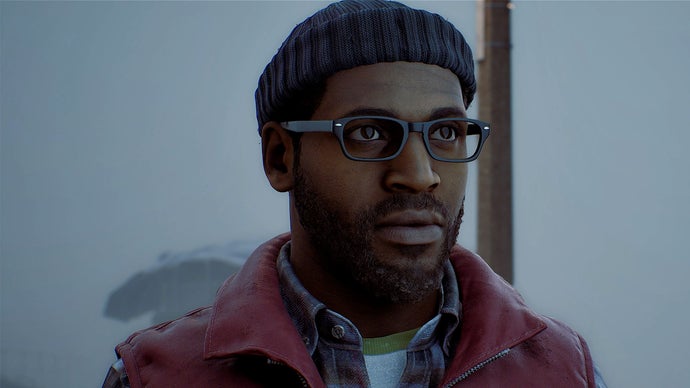
Silent Hill: Townfall is shaping up to be one of the most intriguing entries in Konami's long-running horror series, and early previews of the game's opening hours reveal a project that is equal parts reverent and deliberately deceptive. Developed by Screen Burn Interactive — formerly No Code, the Edinburgh-based studio behind Observation and Stories Untold — Townfall is set in a fictional coastal Scottish town called St. Amelia, locked in the autumn of 1996. Series producer Motoi Okamoto and Screen Burn's writer-director Jon McKellan presented the game together before the preview session, and both were open about the fact that what they show publicly is not quite the full picture.
McKellan was candid when asked how the team avoids simply remaking Silent Hill 2 in a new coat of paint. The game does open with familiar genre shorthand — a disoriented man named Simon wakes near the water with an IV cannula still attached to his hand, entering a fog-choked town in search of a woman named Zoe. "So far, so Silent Hill," McKellan acknowledged with a laugh, before making clear that the studio is leveraging that familiarity as a weapon. "We are leaning into those expectations. We will be massively subverting those expectations, too," he said, describing the goal as using genre recognition to build something that feels new while remaining recognizably part of the Silent Hill lineage.
The decision to set the game in a mid-1990s British coastal town is not incidental. McKellan explained that the team grew up in communities like St. Amelia, and grounding the horror in a believable, lived-in environment was a foundational creative priority. The 1996 setting sits at a cultural inflection point — a moment just before home internet access changed everything — and McKellan hinted that Simon's identity, the town's history, and the era itself are all "deeply relevant" to one another in ways players will only fully understand by the end of the game. The environmental storytelling already supports that ambition: protest placards referencing a company called C.E.G., a police station bearing a handwritten notice reading "Nothing we can do. Stay safe," and a clinical suspension of services at the local health center all suggest a community broken by something specific and unresolved.
The central mystery orbits Simon and Zoe, a nurse whose disembodied voice recurs throughout the early chapters with lines that carry the cadence of someone pleading at a hospital bedside. Whether that framing is literal or metaphorical is something the game seems deeply invested in keeping ambiguous. Recurring motifs — a number sequence, 204; a ringing telephone; an organ donation box; boats along the shoreline bearing children's names — suggest a layered symbolic structure that will reward close attention. McKellan described the team's guiding principle as protecting the kind of interpretive mystery that makes players argue about meaning long after the credits roll, pointing to that quality as a thread common to every beloved entry in the franchise.
Screen Burn's pedigree makes Townfall a project worth watching closely. Observation used spatial disorientation and information asymmetry to disturbing effect, while Stories Untold built dread from mundane interfaces. Both games demonstrated a studio fluent in the grammar of psychological horror, and Townfall appears to be the most ambitious synthesis of those instincts yet. With Konami and Annapurna Interactive co-publishing the title, the production resources behind the project appear to match the creative ambition — and the early hours, by all accounts, make a strong case that the stomach-churning anticipation surrounding this game is entirely justified.
The bigger picture
What Screen Burn Interactive is attempting with Townfall is a genuinely difficult balancing act, and the studio seems aware of exactly how high the stakes are. The Silent Hill revival has already produced two meaningful wins — the Silent Hill 2 Remake exceeded expectations by a significant margin, and Silent Hill f, despite early combat criticism, found its audience. Townfall now has to justify its existence as something more than brand extension, and McKellan's transparent acknowledgment of deliberate misdirection is either a sign of enormous creative confidence or an elaborate hedge. Given Screen Burn's track record, the former seems more likely.
The British setting deserves more attention than it might initially receive. Horror in games has historically defaulted to American small-town iconography, and there is something genuinely unexplored in applying Silent Hill's psychological framework to the specific texture of post-industrial British coastal decline. The 1990s detail compounds this — anyone who grew up in that environment will find the iconography uncomfortably legible, which is precisely the point. Uncanny horror works best when the familiar is made strange, and Townfall appears to understand that the closer the baseline reality is to lived experience, the more destabilizing the rupture becomes.
From an industry standpoint, Townfall's development model is worth noting. Annapurna Interactive's involvement as a co-publisher signals that Konami is continuing to pursue a multi-studio strategy for the franchise rather than centralizing Silent Hill development internally. That approach carries risk — tonal inconsistency across releases, franchise fatigue if the cadence is too aggressive — but it also allows for genuine creative range. Readers should watch whether Townfall's experimental ambitions translate to commercial performance, because that outcome will shape how many more unconventional Silent Hill entries get greenlit in the years ahead.
We've been tracking the Silent Hill revival closely at LagPing, and Townfall is the entry we've been most cautious about — cautious because the expectations attached to it are so specific and so high. Screen Burn Interactive is not a household name for most mainstream gaming audiences, but anyone who played Observation or Stories Untold knows this is a team that understands dread in a way that feels almost architectural. The decision to root the horror in a recognizable, unglamorous British setting is exactly the kind of creative swing that distinguishes genuinely interesting horror games from competent ones. We're covering this now because the preview season has begun in earnest and the details emerging from early sessions are too substantial to wait on — the 1996 setting, the C.E.G. conspiracy thread, McKellan's comments about deliberate audience misdirection. These aren't vague marketing gestures; they're structural commitments that tell us a great deal about what kind of game this will be. That conversation matters for anyone invested in where survival horror is headed as a genre.
As an Amazon Associate, LagPing earns from qualifying purchases. Product links are affiliate links.
You might also like

Quake Turns 30: Dawn of the Machine Brings 19 Free Levels Built With MachineGames
1d ago

Critical BMC Flaws Leave 86,000+ Enterprise Servers Open to Silent Remote Takeover
2d ago
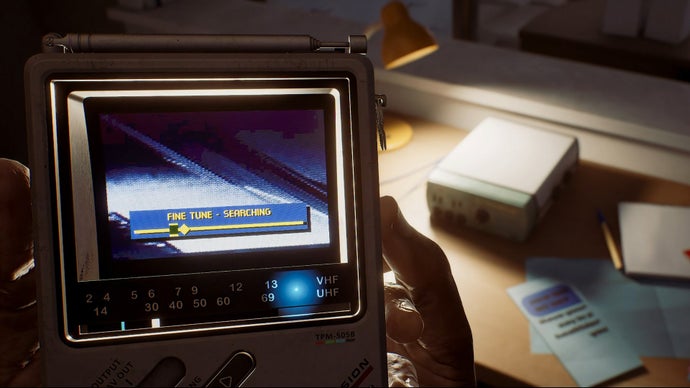
Silent Hill: Townfall Bets on '90s Tech Nostalgia to Replace the Franchise's Iconic Radio
6d ago

Screen Burn's Foggy Scottish Islands and Analog Dread Redefine Silent Hill's Future
Jul 31