Sony's YouTube Overrun as Disc Defenders Invade Every Video, Even Decade-Old Trailers
Key takeaways
- Fan protests over Sony's physical disc decision have spread to decade-old PlayStation YouTube trailers, showing no signs of fading.
- Sony's ongoing social media silence has not contained the backlash, and third-party developers are seeing their promotional videos hijacked by the controversy.
- Reports of staff retraining at a disc manufacturing facility in Austria suggest Sony's timeline may already be too advanced to reverse.
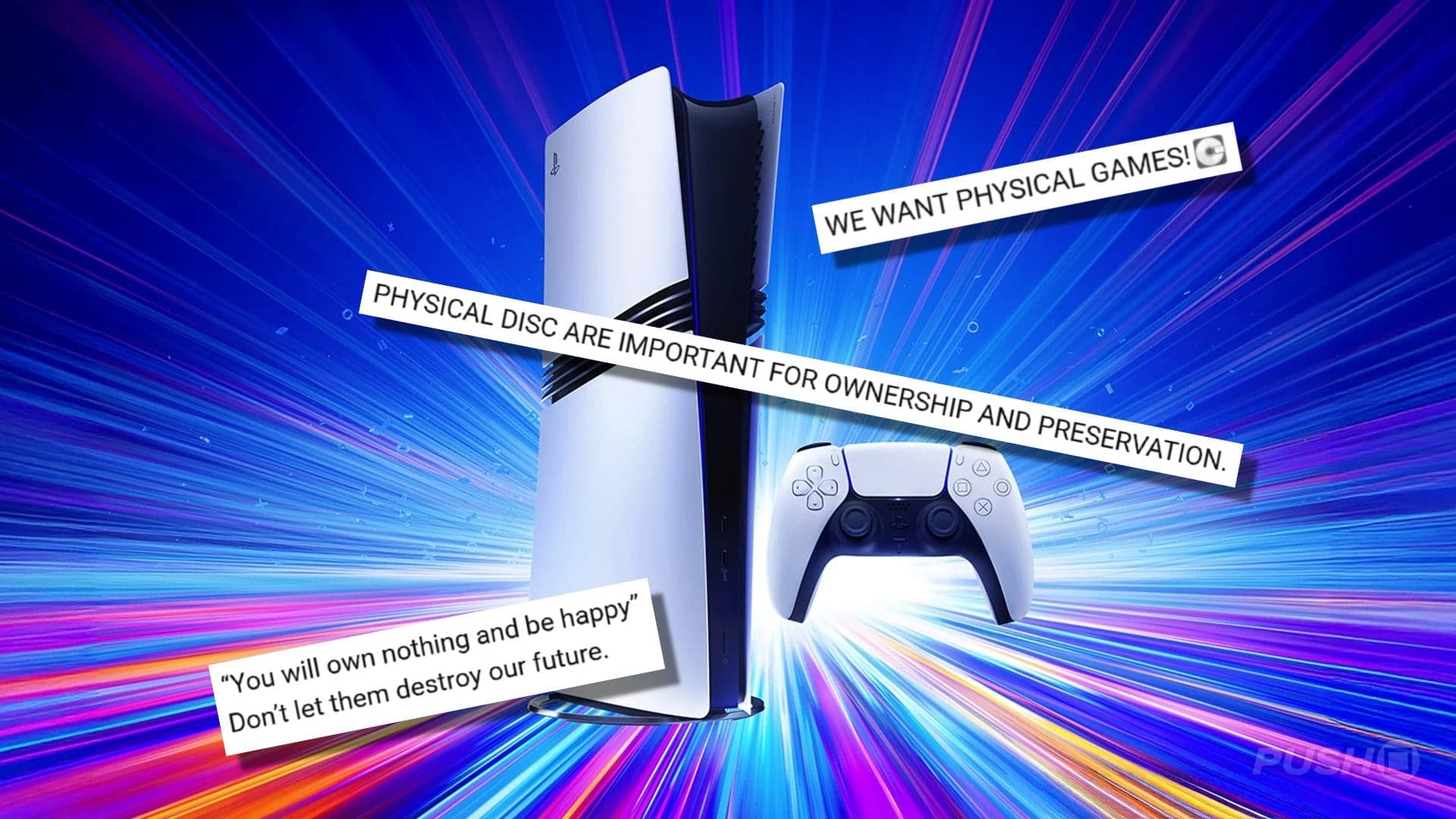
What started as a weekend wave of online frustration has hardened into something far more sustained and organized. Sony's decision to phase out physical disc support has triggered a comment-section revolt across its entire YouTube presence, with fans bypassing the intended promotional content entirely to demand a reversal of the policy. New trailers, months-old uploads, and even a 10-year-old Spider-Man reveal from E3 2016 have all been swept up in the protest. Sorting by recent comments on practically any PlayStation-affiliated video tells the same story: physical media advocates are not going anywhere.
Sony has gone quiet across most of its social media platforms for roughly five days now, an unusual move that has done little to extinguish the controversy. The company still maintains an obligation to upload content to YouTube, however, given its agreements with third-party publishers who rely on the platform for promotional exposure. That arrangement has created an uncomfortable situation where games like Voidtrain and The Alters DLC are receiving virtually no organic engagement on their trailers — every top comment is about disc ownership, not the games being advertised. Developers and publishers who had nothing to do with Sony's internal hardware decisions are finding their marketing campaigns caught in the crossfire.
The protests have drawn on some notably resonant cultural touchstones. One frequently cited comment references the iconic PS4 console-sharing video from 2013 — a moment when Sony publicly mocked Microsoft's restrictive DRM policies — with users now turning that legacy back on the company with the line, 'You live long enough to see yourself become the villain.' Other comments invoke broader anxieties about digital ownership, with phrases like 'You will own nothing and be happy' circulating widely. The emotional charge behind the backlash suggests this is about more than just discs — it's about a perceived shift in the relationship between platform holders and their most devoted customers.
The business reality, however, is complicated. Digital game sales have been steadily outpacing physical for most of this console generation, and Sony's strategic direction has clearly been calibrated around that trend. Reports have emerged that staff at a major disc manufacturing facility in Austria have already begun retraining for different roles, implying the operational wheels are already in motion and a course reversal may not be practically feasible. That detail has only intensified the sense among protesters that the window for meaningful change is closing fast, which may explain why the campaigning has grown more urgent rather than tapering off.
Sony faces a genuine impasse as it prepares to re-emerge on social media. It has major titles to promote — including Arc System Works' Marvel Tokon: Fighting Souls — and continued silence risks damaging those partnerships as well as its own reputation. Whether the company addresses the backlash directly, offers any kind of compromise, or simply waits for the storm to pass remains to be seen. But the fact that fans are digging up ancient trailers to post protest comments suggests this is a community that is organized, patient, and prepared to sustain pressure for as long as it takes.
The bigger picture
What makes this episode historically unusual is the sheer architectural persistence of the protest. Fan backlash online is common, but it typically clusters around announcement posts and fades within days. The fact that protesters are actively seeking out old content — a decade-old E3 trailer, for instance — and refreshing it with new comments signals a level of coordination and dedication that most platform controversies never reach. Sony is not dealing with an algorithm-driven outrage cycle here; it is dealing with a community that has decided to treat its YouTube channel as a permanent bulletin board.
The competitive implications are worth watching closely. Microsoft has spent years trying to reposition itself as the consumer-friendly alternative in the console space, and every day Sony's comment sections look like a war zone is a day Xbox's messaging about Game Pass and backward compatibility looks more appealing by contrast. Nintendo, meanwhile, continues to ship physical editions of its titles with little controversy. If Sony's pivot to digital becomes seen as a consumer-hostile move rather than simply a market-responsive one, it hands its rivals a narrative gift that could influence hardware purchasing decisions heading into the next cycle.
The Austria manufacturing story is the detail that deserves the most attention going forward. Once workers are retrained and production lines are repurposed, reversing course becomes an operational and financial commitment, not just a PR decision. Sony may have already crossed the point of no return on this, which transforms the protest from a potential pressure campaign into something more like a public grieving process. Readers should watch whether Sony offers any transitional concessions — extended physical availability windows, collector's editions, or clearer timelines — as those moves would signal the company is at least listening, even if the long-term direction is already locked in.
We decided to stay on this story because it stopped being a simple consumer complaint thread sometime around Tuesday, and it has not let up since. At LagPing, we cover the moments when the relationship between players and platform holders shifts in ways that matter beyond any single product cycle, and this qualifies. The physical versus digital debate has been building for years, but watching it play out across decade-old YouTube comments — on an E3 trailer from 2016, no less — is genuinely unprecedented in our experience covering this space. We also want to be clear that the developers and studios caught in this crossfire, like the team at Arc System Works, deserve better than having their work buried under a platform dispute they had no hand in creating. That dimension of the story has not gotten enough attention elsewhere. We will keep covering this as it develops because the outcome here — whether Sony bends, doubles down, or offers some kind of middle ground — will set a precedent that every console maker will be watching very carefully.
As an Amazon Associate, LagPing earns from qualifying purchases. Product links are affiliate links.
You might also like

Kojima Calls All-Digital Ownership a Ticking Time Bomb as Disc Era Nears Its End
IGN

PlayStation Disc Drive Sellouts Expose Glaring Contradiction in Sony's All-Digital Future
Eurogamer
Sony's PS5 Playtime Data Vanishes for Disc Owners Amid Growing Physical Media Concerns
Push Square

Microsoft Turns Sony's Disc-Free Future Into a Marketing Weapon for Halo's PS5 Launch
Eurogamer