
PlayStation Disc Drive Sellouts Expose Glaring Contradiction in Sony's All-Digital Future
Key takeaways
- Sony's PlayStation Store is still limiting attachable disc drive purchases to one per order due to high demand, even after announcing the end of physical game disc production by January 2028.
- The one-per-order cap has reportedly been in place since at least November 2023, undermining Sony's claim that consumer trends are naturally moving away from physical media.
- Microsoft's next console, Project Helix, is also expected to drop the disc drive but may offer a disc-to-digital license conversion feature that Sony has not announced any equivalent of.
Sony finds itself in an awkward position this week: just days after announcing the end of physical disc production for PlayStation games, the company's own PlayStation Store is still capping sales of its attachable disc drive at one unit per customer due to what the listing describes as 'high demand.' The announcement on July 1st, 2026, confirmed that starting January 2028, all newly released PlayStation games will be sold exclusively in digital format — a sweeping change that has sent shockwaves through the gaming community and all but confirmed the upcoming PS6 will ship without any disc drive whatsoever.
Physical games will technically still be sold through retail channels after 2028, but only as digital codes in a box — a format that has drawn significant skepticism from fans who value disc-based ownership for its permanence and resale potential. The PlayStation Store has updated its disc drive product page with an 'important notice' informing prospective buyers that games released after January 2028 will only be available digitally, though discs for older titles will remain playable on the hardware. It is a telling caveat that acknowledges the transition while quietly trying to manage expectations.
What makes the situation particularly striking is that the rationing is not a recent policy. As users on the ResetEra gaming forum noted, the one-per-order limit has reportedly been in place since at least November 2023 — meaning Sony has been struggling to meet demand for this accessory for the better part of three years. That sustained scarcity directly contradicts the company's stated reasoning for ending physical media production, which it attributed to shifting 'consumer trends' away from discs. If demand were truly declining as sharply as Sony implies, one would not expect a years-long supply crunch.
Sony is not alone in steering toward a discless future. Microsoft is reportedly pursuing a similar approach with its next console, internally codenamed Project Helix, which is also expected to omit a disc drive. However, Microsoft is rumored to be developing a system that would allow players to convert existing physical game collections into digital licenses — a goodwill gesture that Sony has not yet signaled any intention to replicate. That difference in approach could become a meaningful point of comparison for consumers deciding where to invest their loyalty next generation.
For longtime PlayStation fans, the timing feels tone-deaf at best. The community reaction, captured succinctly by one ResetEra commenter — 'this would be so funny if it weren't so sad' — reflects a genuine frustration with what many perceive as corporate doublespeak. Sony is simultaneously declaring physical media obsolete while being unable to keep up with demand for the very hardware that enables it. Whether that demand represents a final surge of nostalgia or genuine ongoing appetite for disc-based gaming, it is a signal the industry would be wise not to dismiss too quickly.
The bigger picture
Sony's all-digital mandate arrives wrapped in a contradiction that the company has yet to meaningfully address. Blaming 'consumer trends' for the death of physical media while simultaneously rationing the hardware that reads those discs is not a great look — and it reveals something important about how platform holders frame narratives around format transitions. These shifts are rarely purely organic; they are also shaped by corporate infrastructure decisions, licensing control desires, and the long-term appeal of a market where every purchase flows through a proprietary storefront with no secondhand competition.
The Microsoft comparison is where things get genuinely interesting from a competitive standpoint. If Project Helix launches with a disc-to-digital conversion system, even an imperfect one, it hands Sony a meaningful PR disadvantage heading into the next console cycle. Gamers who feel burned by the PlayStation transition may see Microsoft's approach as more consumer-friendly, regardless of how well it works in practice. Console wars are often won on perception as much as hardware specs, and right now Sony is ceding goodwill ground it may struggle to recover.
What observers should watch closely over the next 18 months is how Sony handles the communication around this transition — particularly for players with large physical libraries. The absence of any backward-compatibility or license-conversion reassurance is the loudest silence in this story. If Sony continues to stay quiet on that front while demand for disc drives remains high enough to require rationing, the backlash heading into the PS6 launch could be substantial. Platform trust, once eroded, takes years to rebuild.
We decided to cover this story at LagPing because it sits at the intersection of two conversations we think about constantly: the future of game ownership and the widening gap between what platform holders say and what their own sales data implies. Sony's messaging around the disc phase-out has been carefully worded, but the stubborn reality of a years-long supply crunch on disc drive accessories tells a different story — one worth pulling apart. We also think the Microsoft angle deserves more attention than it has received so far, because the way these two companies handle the transition to all-digital could genuinely reshape consumer loyalties heading into the next hardware generation. For readers who own physical game collections, this is not an abstract policy debate; it is a question about whether the money they have spent on discs will retain any practical value. We want to make sure that perspective stays central to how this story gets told.
As an Amazon Associate, LagPing earns from qualifying purchases. Product links are affiliate links.
You might also like

Hoto's Smart Cordless Screwdriver Drops to $60 — A Surprisingly Capable DIY Upgrade
The Verge Tech
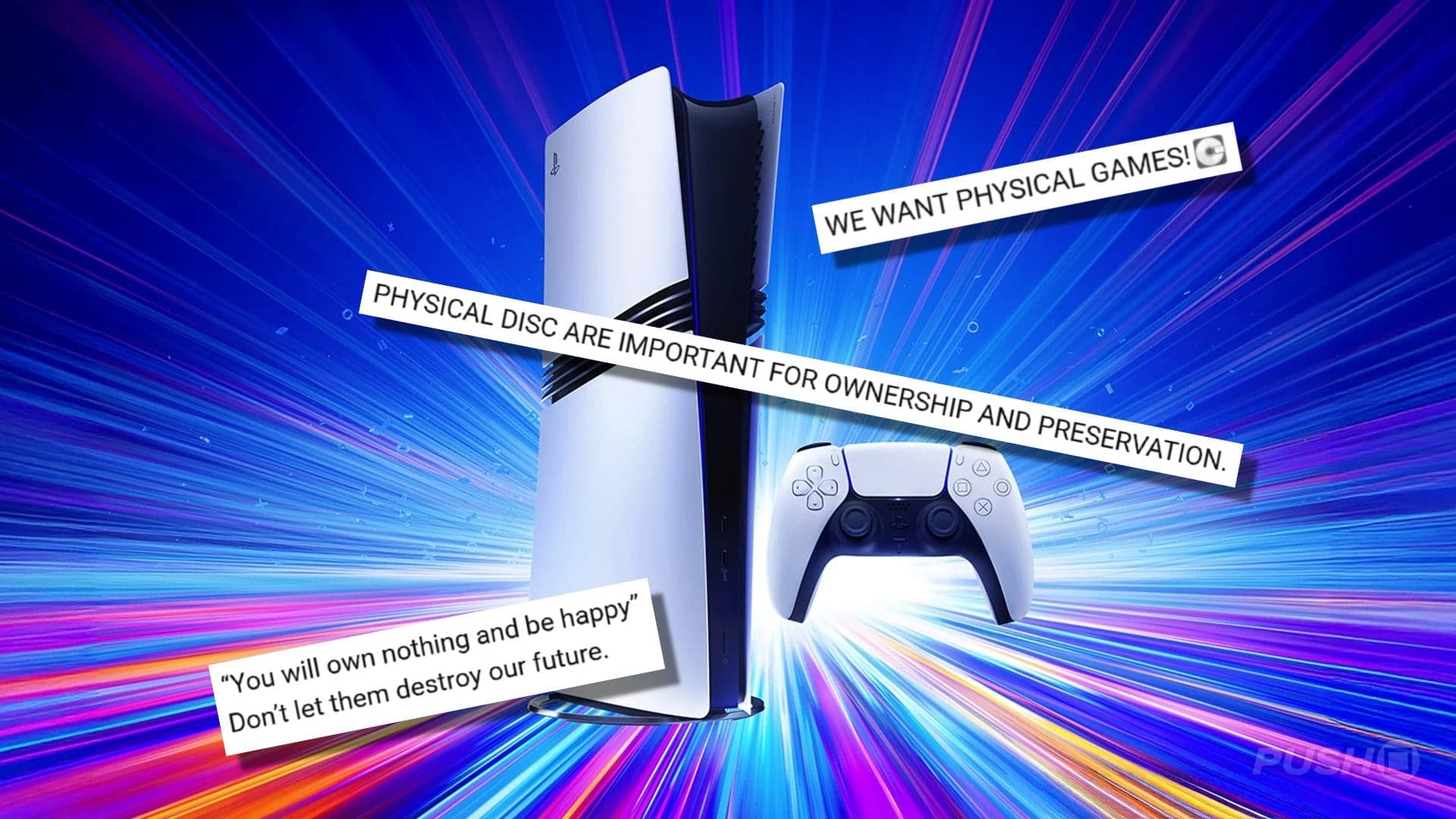
Sony's YouTube Overrun as Disc Defenders Invade Every Video, Even Decade-Old Trailers
Push Square
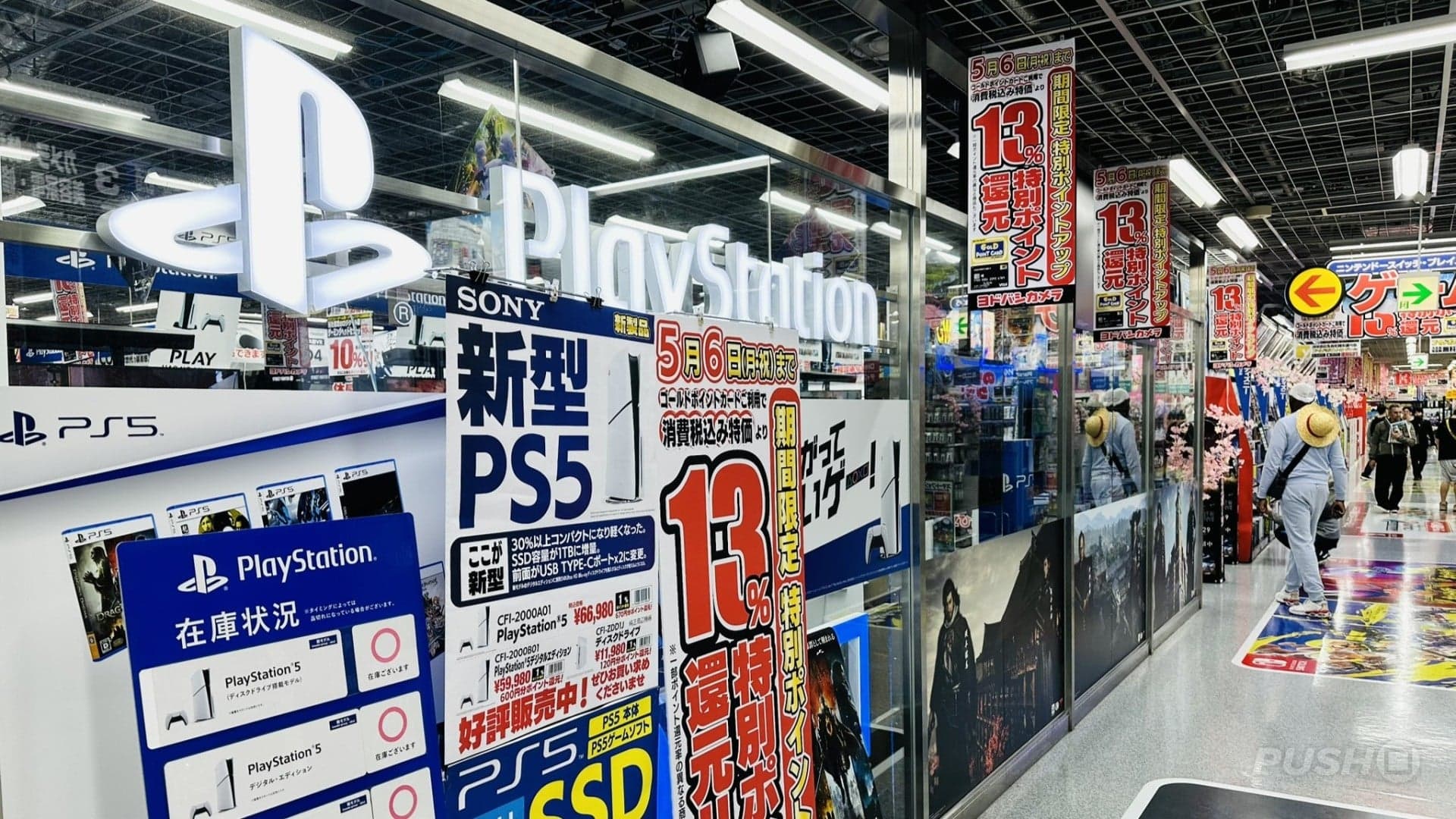
Sony's Physical Game Exit Could Hollow Out the Retail Ecosystem Built Around PlayStation
Push Square

Kojima Calls All-Digital Ownership a Ticking Time Bomb as Disc Era Nears Its End
IGN