Xbox Restructuring Forces Bethesda Into Narrow Focus, Shelving Smaller Projects
Key takeaways
- ZeniMax, Bethesda's parent company, will face a 'significant overhaul' per Bloomberg's Jason Schreier amid Microsoft's Xbox reset.
- Xbox CEO Asha Sharma confirmed investment is shifting to 'higher priority projects,' signaling smaller or experimental titles may be cut.
- The restructuring raises questions about Bethesda's creative future, coming two years after Starfield's polarizing reception.
Microsoft's ongoing Xbox restructuring is hitting closer to home for some of gaming's most iconic studios. ZeniMax Media, the parent company that oversees Bethesda Softworks and its family of development teams, is reportedly facing what Bloomberg's Jason Schreier describes as a 'significant overhaul' — a characterization that carries particular weight given Schreier's long track record of accurate industry reporting. The changes appear to be among the most consequential moves in the broader Xbox shake-up announced this week.
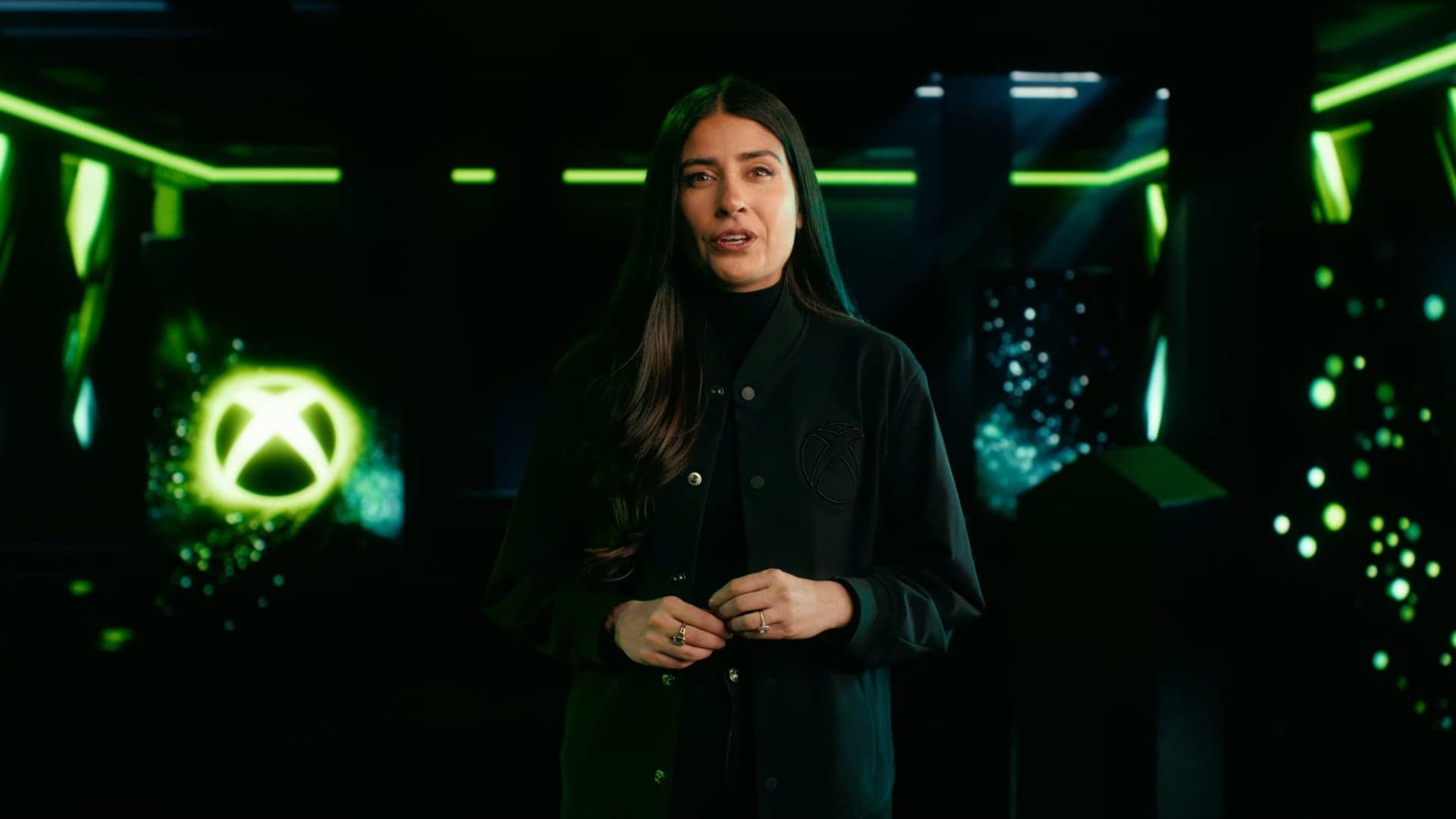
Xbox CEO Asha Sharma addressed the wider restructuring in a public statement earlier today, acknowledging that investment at certain studios is being redirected toward what she called 'higher priority projects.' While the language was carefully managed, the implication was clear: some initiatives, teams, or early-stage projects are being wound down or deprioritized in favor of franchises and titles with greater commercial potential. Sharma's remarks set the stage for the Bethesda-specific details that would follow.
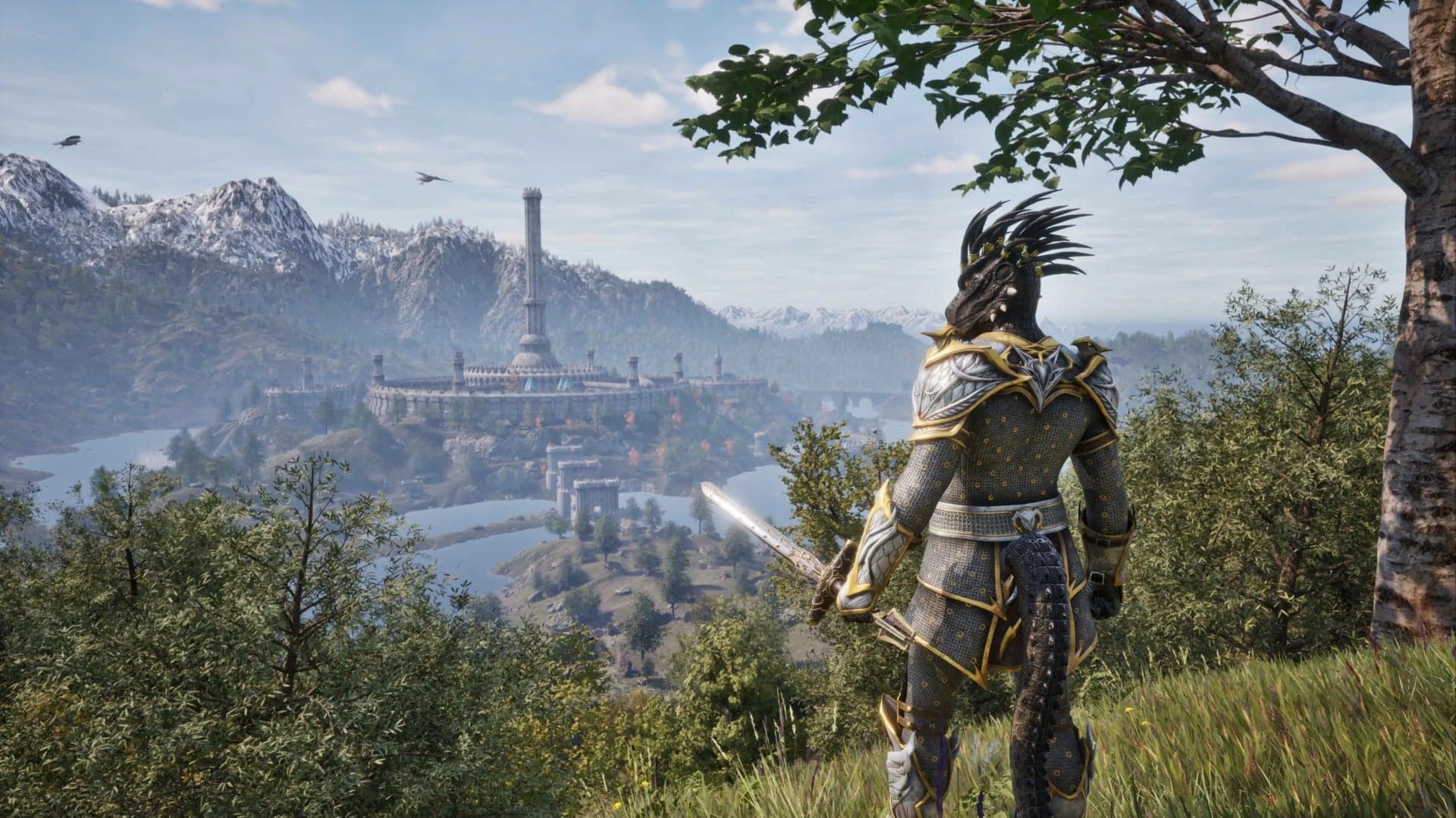
The overhaul at ZeniMax means Bethesda and its affiliated studios will likely double down on flagship properties such as The Elder Scrolls, Fallout, and DOOM, while potentially sunsetting newer or experimental endeavors that haven't yet proven their commercial viability. Microsoft paid approximately $7.5 billion to acquire ZeniMax in 2021, making it one of the largest acquisitions in gaming history. The pressure to justify that investment through reliable, high-earning franchises has never been more visible.
This restructuring also coincides with a significant round of job layoffs across Xbox, adding human cost to what might otherwise read as a dry corporate realignment. Developers at affected studios now face uncertainty about ongoing projects and their own positions within the reorganized structure. The combination of studio departures, layoffs, and this ZeniMax overhaul paints a picture of an Xbox division undergoing its most turbulent transformation in years.
For players, the immediate concern is what projects may quietly disappear in the shuffle. Bethesda had several unannounced or early-development titles that could fall victim to this tightening of priorities. The longer-term question is whether concentrating resources on proven franchises will allow Bethesda to recapture the cultural momentum it has sometimes struggled to maintain since the mixed reception to Starfield in 2023.
The bigger picture
The decision to overhaul ZeniMax reflects a fundamental tension Microsoft has been navigating since the acquisition closed: how do you manage a vast portfolio of creative studios under the efficiency expectations of a publicly traded tech giant? Bethesda's identity was historically built on ambitious, sprawling RPGs that took years to develop and carried enormous risk. That creative culture is difficult to preserve when a parent company is under investor pressure to show returns on a multi-billion-dollar purchase.
Competitively, this move could have ripple effects across the industry. If Microsoft is visibly trimming experimental projects at prestige studios, it signals a broader retreat from the 'acquire everything and see what sticks' strategy that defined Xbox's approach in the early 2020s. Sony, Nintendo, and even third-party publishers will be watching closely — this could embolden competitors to recruit talent departing from a newly constrained Bethesda ecosystem, potentially shifting where the next generation of big RPGs gets made.
Readers should watch for two things in the coming weeks: which specific Bethesda projects get officially cancelled or put on indefinite hold, and whether key creative leads within ZeniMax studios choose to stay or exit. Leadership departures following a restructuring often matter more than the restructuring itself. If names like Todd Howard remain committed, that's a stabilizing signal. If veteran designers start announcing departures on social media, the overhaul may prove far more disruptive than Microsoft's carefully worded statements currently suggest.
We're covering this story because few developments in gaming right now carry as much weight for ordinary players as the fate of Bethesda. These are the studios behind franchises that defined entire generations of RPG gaming — Elder Scrolls, Fallout, DOOM — and the idea that they're facing a 'significant overhaul' deserves more than a passing headline. We also think it's important to put Jason Schreier's reporting in proper context: when he uses language like 'significant overhaul,' that's not casual speculation, it's a considered characterization from one of the most sourced reporters in the business. This story fits into a much larger conversation we've been tracking at LagPing about what Microsoft's Xbox identity actually is in 2025, and whether the aggressive acquisition strategy of the last few years is sustainable. The human cost — the layoffs, the project cancellations, the developers whose work gets quietly shelved — is something we don't want to lose in the corporate restructuring language. We'll continue following this closely.
As an Amazon Associate, LagPing earns from qualifying purchases. Product links are affiliate links.
You might also like
Mid-2026 Achievement Reset Floods Xbox With 300K Easy Gamerscore Across Hundreds of Titles
Pure Xbox
id Software's Future in Doubt After Xbox Cuts Leave DOOM Maker a Shell of Its Former Self
Push Square

Minecraft and Candy Crush Studios Get Direct Line to Xbox's New CEO Amid Massive Restructure
Pure Xbox
New Xbox Boss Eyes a Billion Daily Players as Studio Cuts Spark Debate
Pure Xbox