
ZeniMax Restructuring Puts Bethesda's Biggest Franchises Front and Center — But at What Cost?
Key takeaways
- Microsoft's Xbox layoffs affect roughly 3,200 employees, with ZeniMax and Bethesda studios seeing significant staff reductions as part of a franchise-focused restructuring.
- ZeniMax's future will center on Fallout, The Elder Scrolls, Doom, Quake, and Wolfenstein — leaving smaller IPs like Prey, Dishonored, and Deathloop without a clear future under Xbox.
- Arkane Studios is reportedly seeking a new owner or independence despite being actively in development on Marvel's Blade, underscoring the human toll of the strategic reset.
Microsoft has confirmed one of the largest single rounds of job cuts in Xbox's history, with approximately 3,200 positions being eliminated before the close of financial year 2027. ZeniMax Media and its subsidiaries — including Bethesda Softworks, id Software, MachineGames, and Arkane — are all caught up in the reorganization, even if no full studio closures have been announced yet. According to reporting from Bloomberg's Jason Schreier and Brody Ford, the restructuring amounts to a 'significant overhaul' designed to concentrate resources on ZeniMax's most commercially powerful properties.
The franchises identified as the future pillars of the ZeniMax operation are Fallout, The Elder Scrolls, Doom, Quake, and Wolfenstein. This makes a certain kind of business sense: Fallout in particular has seen enormous renewed interest thanks to two critically lauded seasons of Amazon's television adaptation, yet Bethesda Game Studios has no new single-player Fallout title in active production. The IP is currently being sustained by Fallout Shelter, a re-release of Fallout 4, and ongoing updates to the live-service Fallout 76 — a situation that many fans and analysts have long considered unsustainable given the appetite for new content.
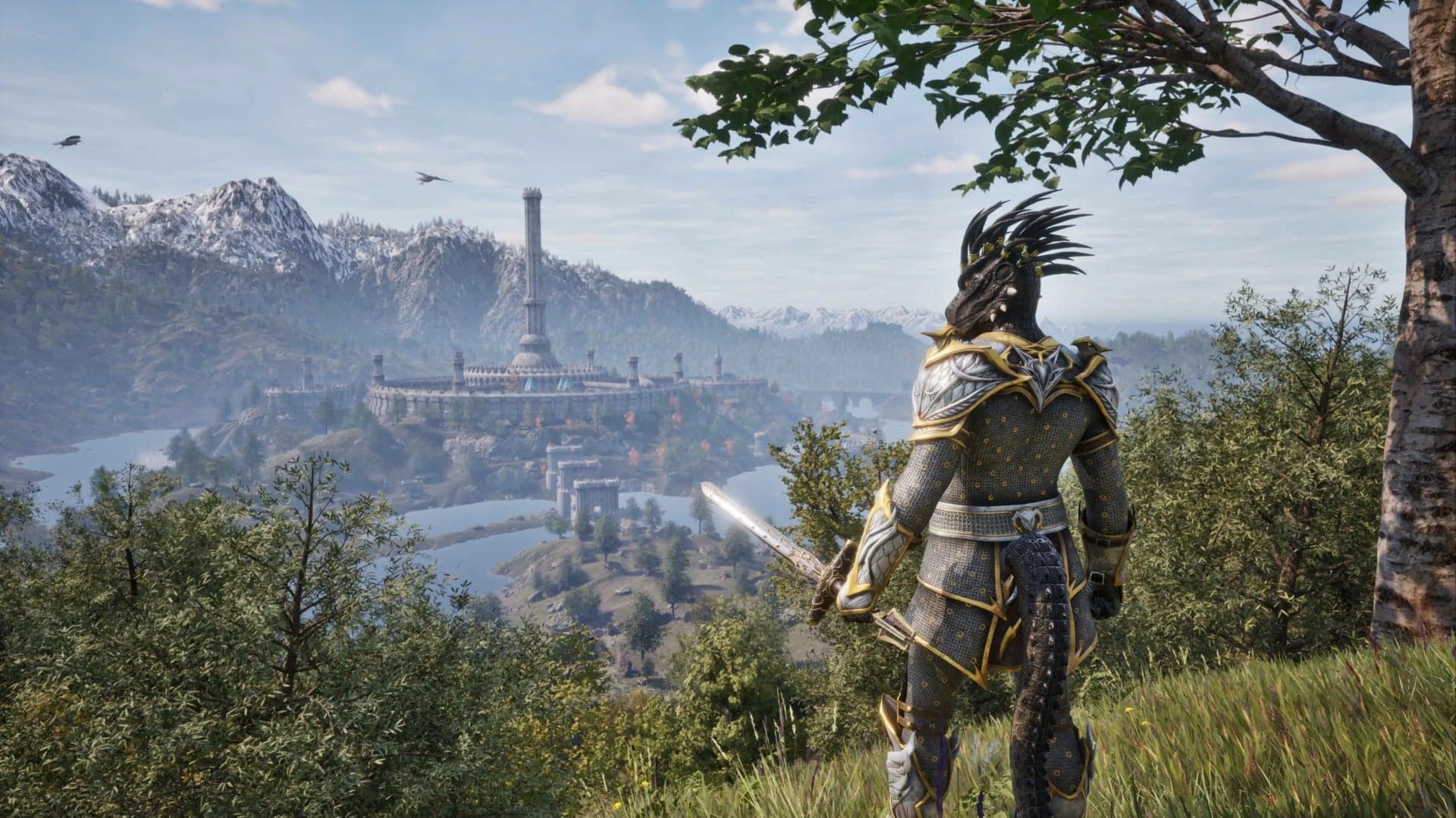
The pressure on The Elder Scrolls VI has also intensified as a result of this announcement. The Elder Scrolls Online, operated by ZeniMax Online Studios, has shown visible signs of slowing momentum after more than a decade in live service, shifting the franchise's commercial weight squarely onto the long-delayed sixth mainline installment. Meanwhile, Starfield — Bethesda's most recent major release — appears to be an early casualty of this new priorities-first mindset, with its long-term franchise potential looking increasingly uncertain despite the development team announcing further content plans.
Over at id Software, teams are reportedly facing staffing cuts even as the studio has just delivered Doom: The Dark Ages — Revelations, an expansion-sized DLC launching on July 7th. Reports suggest some within id Software had hoped to continue expanding the current Doom Slayer storyline, but the corporate pivot toward Quake could redirect resources. Quake has existed largely on the margins in recent years, kept alive through remasters and modest ongoing support for Quake Champions via external partners, meaning a genuine new entry would be a significant undertaking. MachineGames, fresh off the acclaimed Indiana Jones and the Great Circle, is reportedly already in development on a new Wolfenstein title — potentially timed to complement an upcoming Wolfenstein television project.
The human cost of this restructuring falls heavily on studios associated with smaller or legacy IP. Arkane Studios, developer of the Dishonored and Prey franchises, is reportedly seeking a new parent company or independent status despite being well into development on Marvel's Blade. The message from Xbox leadership appears clear: in a leaner organization, there is limited runway for anything outside the top-tier franchise roster, no matter how critically respected those projects may be.
The bigger picture
What Microsoft is executing at ZeniMax is less a creative pivot and more a frank admission that sprawling creative diversity is a luxury the current Xbox business model can no longer afford. For years, ZeniMax's value to Microsoft was partly its portfolio breadth — beloved mid-tier franchises like Prey and Dishonored gave Game Pass genuine critical credibility alongside the blockbuster names. Stripping those away in favor of a pure franchise-hits strategy signals that Game Pass economics have finally forced Xbox into the same corner every major publisher eventually finds: fewer bets, bigger stakes, less risk-taking.
The competitive implications here are real and run in multiple directions. On one hand, doubling down on Fallout and Elder Scrolls gives Xbox clear marquee attractions that PlayStation and Nintendo cannot match. On the other hand, the extended development timelines on both those franchises mean Xbox is essentially banking its ZeniMax investment on titles that remain years away — during which time Sony's first-party slate continues to deliver. Quake and Wolfenstein are genuine wildcards: both carry legacy brand recognition, but neither has demonstrated modern mass-market pull, and reviving them will require more than just redirecting staff from shuttered projects.
Investors and industry observers should watch closely how talent retention plays out inside these studios over the next twelve months. Mass layoffs combined with abrupt franchise redirection create exactly the conditions under which senior creative talent walks — and the muscle memory required to make a great Elder Scrolls or Fallout game is not easily rebuilt. The risk is not just reputational. It is that Xbox accelerates a strategy designed to protect long-term revenue, only to hollow out the very teams whose expertise makes those franchises worth protecting in the first place.
We've been tracking the slow-motion restructuring of Xbox's studio empire for some time now, and today's announcement brings a lot of threads together in a way that demands real scrutiny. This isn't just a layoff story — it's a story about what kind of games publisher Microsoft wants to be in five years and which beloved creative traditions it's willing to sacrifice to get there. We think that context matters enormously to our readers, many of whom have deep personal histories with franchises like Dishonored, Prey, and Quake. The ZeniMax acquisition in 2021 was sold partly on the promise that these studios would retain their creative independence; watching Arkane search for a new home while mid-development is a painful illustration of how far reality has drifted from that promise. We'll be updating our coverage as more details emerge around individual studio futures and what the franchise pivot actually looks like in practice.
As an Amazon Associate, LagPing earns from qualifying purchases. Product links are affiliate links.
You might also like
Xbox Restructuring Forces Bethesda Into Narrow Focus, Shelving Smaller Projects
Pure Xbox

Epomaker RT98 Puts the Numpad Anywhere You Want It — and That Changes Everything
The Verge Tech

Anthropic's Claude Science Platform Puts AI at the Helm of Drug Discovery
The Verge AI
Microsoft Puts Halo Under the Microscope Amid Studio Chaos — Just Before PS5 Launch
Push Square