
Weekend Backlog Battles: Why Troubleshooter Might Be the Hidden JRPG Gem You Missed
Key takeaways
- Troubleshooter: Abandoned Children is a 100+ hour tactical RPG with a devoted cult following that has flown under the radar since its 2020 Steam release.
- The game's mastery system — offering deep customization through stackable ability packages — is widely cited as its standout mechanical feature.
- Renewed editorial attention could trigger a broader rediscovery cycle for the title, echoing past backlog revivals seen with games like Kenshi and Dwarf Fortress.
Every weekend, gaming editors and enthusiasts alike face the same existential crisis: the backlog. It is an ever-growing pile of purchased, gifted, and wishlisted games that somehow never quite make it to the top of the queue. This week, one prominent gaming publication is finally cracking open Troubleshooter: Abandoned Children, a tactical RPG that its devoted fanbase has been recommending with almost evangelical intensity for years.
Troubleshooter: Abandoned Children is a South Korean tactical RPG developed by Dandylion and released on Steam back in 2020. Despite modest mainstream coverage at launch, it quietly cultivated a deeply loyal player community that praised its intricate systems, layered character progression, and sheer volume of content. The game is frequently cited in 'hidden gem' discussions across Reddit and Steam forums, with veterans warning newcomers to clear their schedules before installing.
The mastery system appears to be one of the game's most celebrated hooks. Players collect packages of abilities and modifiers — called masteries — that can be mixed, matched, and layered onto characters in creative and sometimes game-breaking ways. This kind of deep mechanical expression is exactly what dedicated strategy RPG fans crave, and it helps explain why the community around Troubleshooter has remained so passionate long after launch.
With a runtime estimated at over 100 hours for a thorough playthrough, Troubleshooter represents a serious commitment — not a weekend dip. That honesty about scope is refreshing from a publication willing to flag the game without overpromising a full review. It sets realistic expectations while still generating curiosity among readers who may have never heard of the title.
The broader story here is one about discoverability in gaming. Even in an era of algorithm-driven storefronts and content saturation, games like Troubleshooter slip through the cracks for years before getting their moment. Word of mouth, persistent community advocacy, and the occasional editorial mention remain among the most powerful forces keeping smaller titles alive and findable.
The bigger picture
The Troubleshooter situation is a fascinating case study in how gaming's discoverability problem plays out in slow motion. A game can be genuinely excellent — mechanically rich, content-dense, community-beloved — and still spend years in relative obscurity simply because it launched without the marketing budget or platform visibility to break through. The tactical RPG genre, in particular, tends to reward patience and word-of-mouth more than most categories, because its audience skews toward players who research deeply rather than impulse-buy.
What's interesting from an industry perspective is the role editorial attention still plays even in the streaming age. A single mention from a trusted publication or creator can send a years-old game surging up the Steam charts. We've seen it happen repeatedly — Caves of Qud, Kenshi, and Dwarf Fortress all experienced revival moments driven largely by renewed editorial and content-creator interest. Troubleshooter could be next in that lineage if coverage builds momentum.
Readers should watch whether this editorial dip translates into a broader rediscovery cycle for Troubleshooter over the coming weeks. If review coverage or streaming attention follows, Dandylion could see a meaningful sales bump without any new content release — purely off renewed visibility. That's a powerful reminder that the back catalog is not a graveyard; it's a reservoir waiting for the right moment. Publishers and developers of smaller titles should take note: keeping communities engaged and vocal pays dividends in ways that are hard to predict but very real.
We're covering this one because it speaks to something we care about deeply at LagPing — the games that get away. Troubleshooter: Abandoned Children has been sitting in the shadows of the tactical RPG genre for years, championed by a small but passionate community while the rest of the gaming world moved on to shinier releases. That dynamic is worth shining a light on, especially as storefronts grow more crowded and discovery becomes genuinely harder for players and developers alike. The timing also feels right: there's a growing cultural appetite for deep, systems-heavy games that respect the player's intelligence. We think Troubleshooter fits that moment perfectly, and we'd rather surface this conversation now than wait for the inevitable 'how did I miss this?' wave that tends to follow late discoveries. Keep an eye on this one.
As an Amazon Associate, LagPing earns from qualifying purchases. Product links are affiliate links.
You might also like
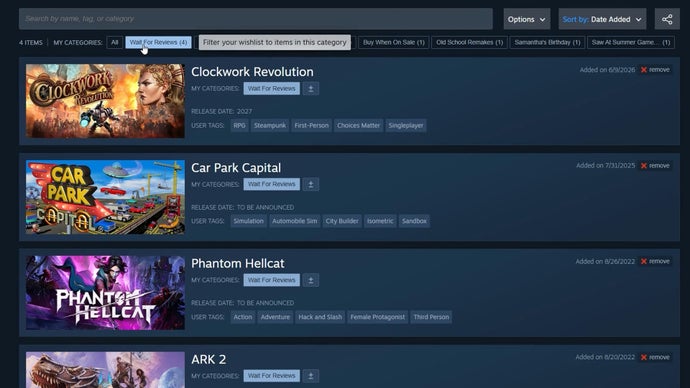
Steam's Wishlist Just Got Smarter — Organize Your Backlog With New Category Support
Jul 23
OSRS Players Stage Massive Faction Battles in the Wilderness With Zero In-Game Incentive
Jul 21
Palworld's Full Launch Sends Steam Into a Frenzy, Edging Out Dota 2 for Second Straight Weekend
Jul 20

ZA/UM Cuts 32 Jobs Weeks After Zero Parades Launch as Studio Battles Commercial Struggles
Jul 19